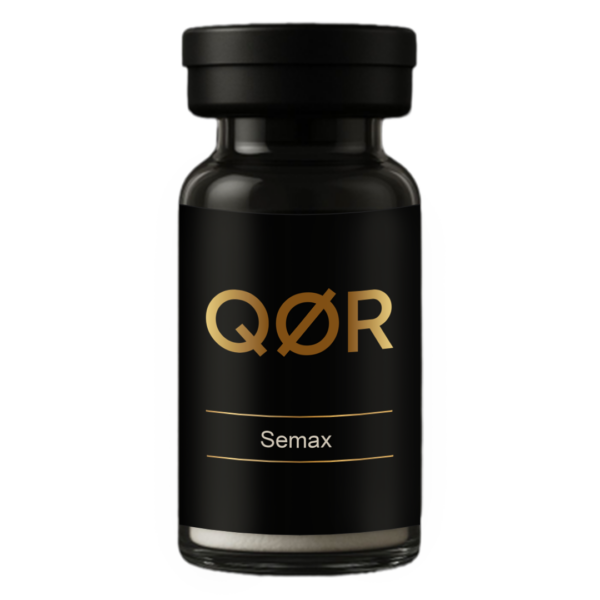
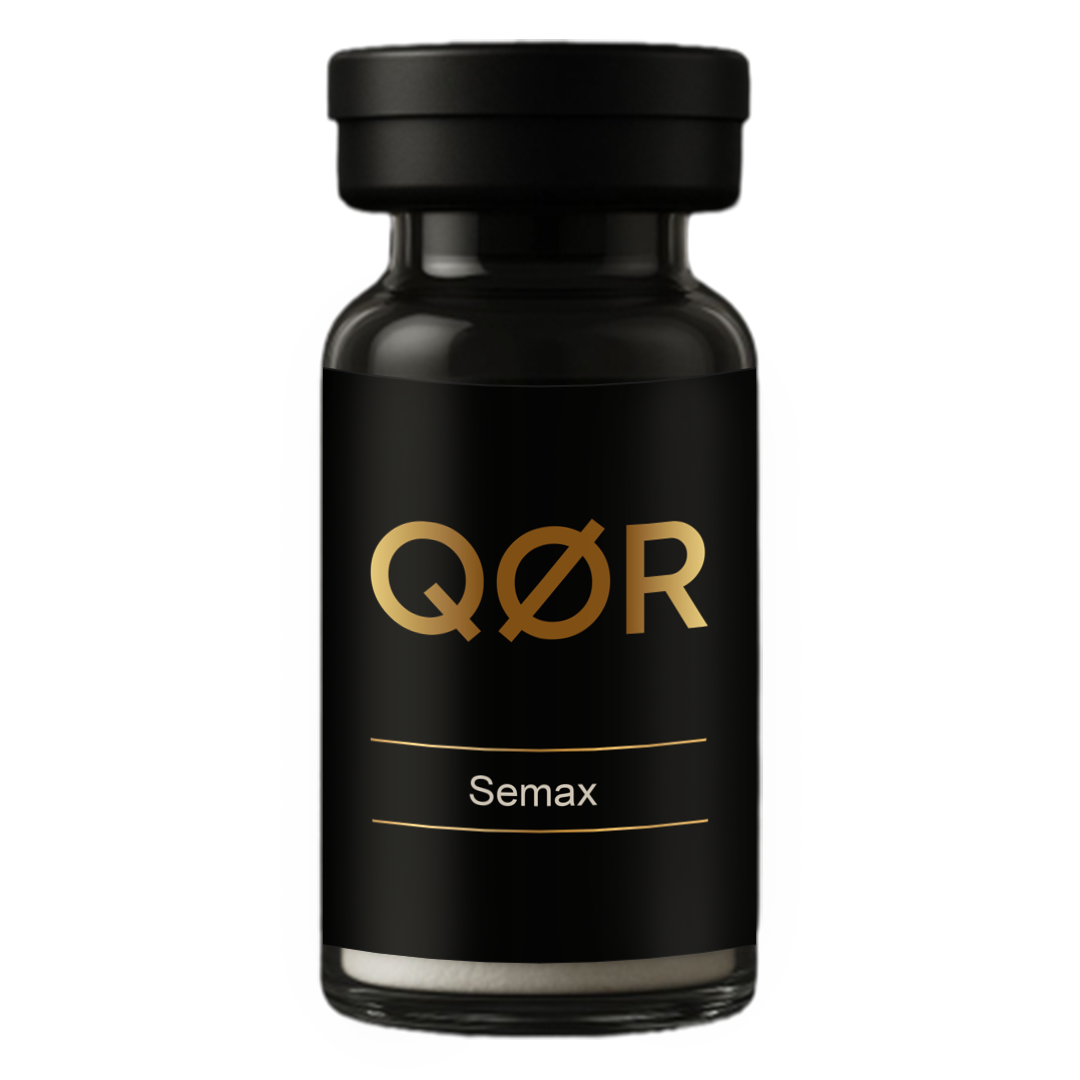
Semax 10 mg: Heptapéptido derivado de ACTH utilizado como compuesto de referencia para estudiar la señalización neurotrófica, la expresión de BDNF y la plasticidad neuronal en modelos del SNC.
Semax 10 mg es un heptapéptido sintético con la secuencia Met Glu His Phe Pro Gly Pro derivado del fragmento ACTH 4 10. Se suministra como péptido de grado de investigación para su uso en estudios de laboratorio centrados en la neurobiología y el sistema nervioso central. Este material está destinado a investigadores cualificados que requieran un fragmento derivado de ACTH caracterizado para la investigación mecanística y de señalización.
Información molecular y farmacológica
El Semax pertenece a una clase de péptidos cortos modelados a partir de fragmentos de la hormona adrenocorticotropa que han sido modificados para mejorar la estabilidad experimental y las interacciones con los receptores.
En la literatura publicada, el Semax se ha estudiado por su capacidad para influir en las vías de señalización neurotróficas y neuroplásticas en modelos preclínicos.
Estas investigaciones se centran frecuentemente en marcadores asociados con el factor neurotrófico derivado del cerebro (BDNF), su receptor de alta afinidad TrkB y programas transcripcionales vinculados a factores neurogénicos como el NGF y la GAP 43. El trabajo experimental también ha examinado el Semax en sistemas que rastrean el equilibrio redox, los objetivos de plasticidad neuronal y la regulación dopaminérgica en preparaciones del sistema nervioso central.
Estos datos dependen del modelo y sirven principalmente para posicionar al Semax como un compuesto de referencia para explorar la modulación de las vías neurobiológicas mediada por péptidos.
Uso previsto
Este producto está destinado exclusivamente a experimentos in vitro, preparaciones ex vivo y otras aplicaciones de investigación en laboratorio controladas. Puede utilizarse como estándar de referencia o compuesto herramienta en estudios de señalización peptídica, regulación de factores neurotróficos, plasticidad sináptica y áreas relacionadas de investigación del SNC.
No está destinado al uso humano ni veterinario.
No está destinado al diagnóstico, tratamiento, cura, prevención o mitigación de ninguna enfermedad o afección médica.
No es un fármaco, alimento, suplemento dietético, cosmético ni producto sanitario.
Características clave
Heptapéptido sintético derivado de ACTH 4 10 para investigación en neurobiología
Apto para su uso en estudios que involucren BDNF, TrkB y vías de señalización neurotrófica asociadas
Fabricado bajo condiciones controladas con verificación analítica de identidad y pureza.
Overview
Semax is a synthetic heptapeptide based on the ACTH 4 to 10 fragment with the sequence Met Glu His Phe Pro Gly Pro. It has been used in preclinical and clinical research programs that focus on central nervous system signaling neuroprotection and cognitive related endpoints. The information in this section is a summary of how Semax has been applied as a tool compound in the scientific literature. All observations are study specific and do not establish safety or efficacy for any therapeutic use.
1. Neurotrophic and neuroplastic signaling
A primary focus of Semax research is its impact on neurotrophic factor pathways. Preclinical work has examined how Semax influences expression and signaling of brain derived neurotrophic factor and its high affinity receptor TrkB. Studies have also looked at transcriptional programs associated with nerve growth factor and growth associated protein 43 which are linked to axonal growth synaptic remodeling and neuronal plasticity. These investigations typically measure changes in gene expression protein levels and downstream signaling markers in brain regions associated with learning memory and stress response.
In this context Semax is used as a tool to probe how short ACTH derived peptides can modulate neurotrophic networks and to map the relationship between peptide exposure and structural or functional plasticity in central nervous system models.
2. Neuroprotection and neuronal plasticity
Another line of research uses Semax in models of neuronal injury and neurodegeneration. These include ischemic brain injury models excitotoxic damage and various toxin or stress induced paradigms. Endpoints in these studies can involve neuronal survival histological assessment of damaged regions behavioral readouts in animals and electrophysiological measures of synaptic function. Semax has been evaluated for its ability to alter the expression of genes and proteins involved in cytoskeletal dynamics synapse structure and long term potentiation related pathways. This work positions Semax as a candidate probe for examining how peptide signaling may support adaptive responses and recovery processes in injured neural tissue under experimental conditions.
3. Redox balance and oxidative stress markers
Semax has also been studied in relation to redox homeostasis within central nervous system models. Researchers have monitored markers of oxidative stress such as lipid peroxidation products antioxidant enzyme activities and reactive oxygen species in brain tissue or neuronal cultures exposed to various insults. In these setups Semax is used to explore whether modulation of redox related pathways accompanies changes in neurotrophic signaling and neuronal viability. Results from these studies are used to build mechanistic frameworks that link peptide exposure to antioxidant defense systems and cellular stress responses.
4. Dopaminergic systems and neuromodulation
Several preclinical investigations have examined the effects of Semax on dopaminergic neurotransmission. These studies often measure dopamine levels receptor expression and related signaling components in brain regions involved in motivation attention and motor control. Behavioral paradigms in rodents have been combined with biochemical assays to assess how Semax may influence dopaminergic tone and downstream circuits. This work is exploratory and aims to clarify how ACTH fragment derived peptides intersect with classic neuromodulator systems.
Typical research applications
Across the literature Semax is frequently used in central nervous system injury and neuroprotection models studies of neurotrophic and neuroplastic signaling
redox and oxidative stress research in neural tissue dopaminergic and broader neuromodulator pathway investigations. In these contexts Semax functions as a research tool for dissecting peptide driven mechanisms in neural circuits rather than as an established therapeutic agent.
Important research disclaimer
All findings summarised here are derived from controlled preclinical models and limited clinical research conducted under specific protocols. They are provided only to inform qualified researchers about how Semax has been used in scientific studies. These observations do not demonstrate or imply that Semax is safe or effective for any human or veterinary indication. They are not dosing instructions medical advice or guidance for cognitive enhancement or treatment of neurological conditions.
The Semax product offered is intended strictly for laboratory research applications.
It is not for human or veterinary use and must not be used for diagnosis treatment cure prevention or mitigation of any disease or condition.
Storage Instructions
Store peptides only in professional, controlled environments that operate under their own safety and quality systems. All storage, handling, and disposal must follow your organization’s written policies, risk assessments, and standard operating procedures. It is the responsibility of the facility and its staff to ensure that these policies are in place, understood, and actively followed. Keep vials in a cool, dry location away from direct light, heat, and moisture. Vials should remain upright, sealed, and protected from physical impact so contents and labels stay intact and legible. If your procedures include freezing, use appropriate working volumes and avoid repeated freeze and thaw cycles of the same vial. Do not store peptides near food, drink, or general consumables. Keep them only in designated storage areas with controlled access that reflect your internal governance and regulatory obligations. Handling and preparation must be carried out solely by personnel who are trained and authorized under your institutional guidelines.
Intended use
This product is intended exclusively for in vitro experiments ex vivo preparations and other controlled laboratory research applications including animal studies conducted under appropriate oversight. Typical uses include cell culture assays biochemical experiments on copper binding and transport and investigations of extracellular matrix remodeling and tissue biology. It is not intended for human or veterinary use. It is not intended for diagnosis treatment cure prevention or mitigation of any disease or cosmetic condition. It is not a drug food dietary supplement cosmetic ingredient or medical device.
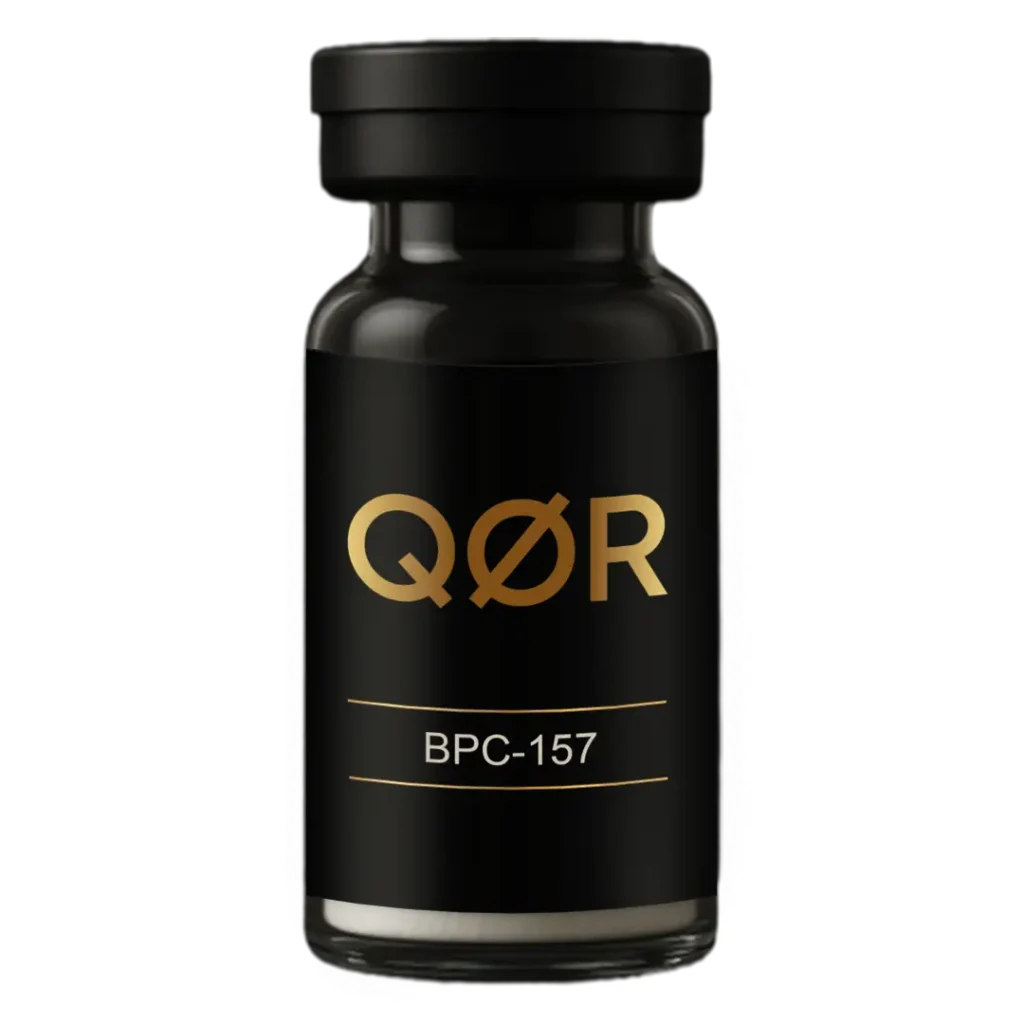
BPC 157: Un pentadecapéptido sintético utilizado en modelos de laboratorio para investigar la angiogénesis, la migración de fibroblastos y la integridad de la barrera mucosa.
$50.00-$95.00Rango de precios: desde $50.00 hasta $95.00
BPC 157: Un pentadecapéptido sintético utilizado en modelos de laboratorio para investigar la angiogénesis, la migración de fibroblastos y la integridad de la barrera mucosa.
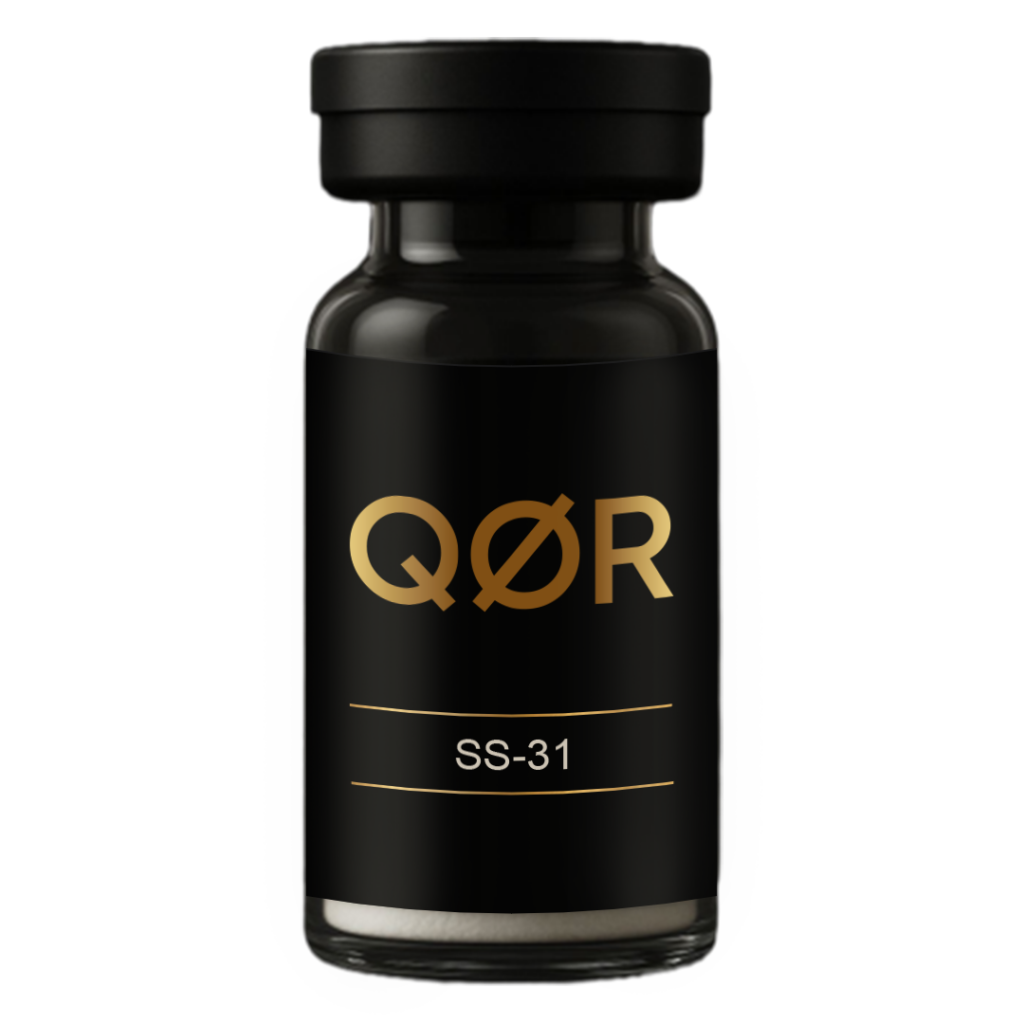
SS-31 10 mg: Un tetrapéptido dirigido a las mitocondrias utilizado para analizar la bioenergética dependiente de cardiolipina, la eficiencia del transporte de electrones y la arquitectura de la membrana mitocondrial.
Epithanol (Epitalon): un tetrapéptido sintético utilizado como sonda de investigación para examinar la activación de la telomerasa, la dinámica de los telómeros y la senescencia replicativa celular.
Vistos recientemente
Lo que nuestros clientes dicen de nosotros
Centro de Investigación Académica
La documentación estaba completa, el embalaje era adecuado para nuestras instalaciones y la entrega se ajustó a nuestros plazos internos.
Organización privada de investigación
Registros de lote coherentes y una comunicación técnica clara respaldan nuestros requisitos internos de calidad.
Centro de investigación académica
Desde el pedido hasta la entrega, la comunicación y la documentación han cumplido nuestras expectativas institucionales para la adquisición de materiales de investigación.
Laboratorio de investigación privado
QØR nos ha suministrado materiales de referencia consistentes y documentación de lote clara en múltiples pedidos, lo que respalda nuestro trabajo interno de validación de ensayos