Thymosin Alpha: A thymus-derived immunomodulatory peptide used in research settings to explore T-cell maturation, cytokine networks, and host response mechanisms.
Thymosin Alpha 1 is a synthetic version of a naturally occurring peptide fragment originally isolated from thymus tissue in the early 1970s.
It is supplied as a research grade peptide for laboratories studying immune system regulation and thymus derived signaling pathways.
Molecular and mechanistic information
Thymosin Alpha 1 is classified as an immunomodulatory peptide and has been widely evaluated as a regulator of immune function in preclinical and clinical research settings.
In the literature it appears as a tool compound for exploring T cell biology antigen presentation innate and adaptive immune crosstalk and host response to various challenges under controlled experimental conditions. Research programs have investigated Thymosin Alpha 1 in models and clinical studies related to chronic viral infections respiratory conditions cancer immunology and other immune related disorders. Across these contexts investigators focus on endpoints such as lymphocyte subset distribution cytokine profiles markers of immune activation or exhaustion and tissue level histopathology to define the peptide’s immunological activity profile.
Intended use
This product is intended exclusively for in vitro experiments ex vivo preparations and other controlled laboratory research applications including animal studies conducted under appropriate oversight. Typical uses include immune cell culture assays mechanistic studies of T cell and dendritic cell function and in vivo work on immune regulation pathways.
It is not intended for human or veterinary use. It is not intended for diagnosis treatment cure prevention or mitigation of any disease or clinical condition. It is not a drug food dietary supplement cosmetic or medical device.
Key features
Synthetic thymus derived immunomodulatory peptide for immune research Suitable for studies on T cell regulation cytokine network modulation and innate adaptive immune interface
Manufactured under controlled conditions with analytical verification of identity and purity”
Overview
Thymosin Alpha 1 is a thymus derived peptide used as a tool compound in immunology research.
It is applied in controlled preclinical and clinical study contexts to examine T cell biology dendritic cell function and broader immune regulation.
The summary below reframes the literature strictly as research context.
Nothing here is a usage claim and none of it should be read as guidance for clinical or therapeutic application.
1. Immune system modulation and T cell function
Thymosin Alpha 1 was first isolated from thymus tissue where it is linked to maturation and function of T lymphocytes. The thymus is central to the development of T cells which support adaptive immune memory and coordinate other immune cells. Mouse models lacking thymus tissue have been used to show that Thymosin Alpha 1 can restore many immune function readouts and reduce susceptibility to systemic infection under experimental conditions. At the molecular level these studies report activation of key signaling pathways and increased production of cytokines and regulatory mediators that coordinate activity of multiple immune cell subsets. Researchers use these models to position Thymosin Alpha 1 as a probe for fundamental immune network control rather than as a finished treatment.
2. Vaccine response and adjuvant style research
Thymosin Alpha 1 has been investigated as an immune response modulator in vaccine related studies. Work in this area compares immune responses to inactivated antigens with and without Thymosin Alpha 1 co administration in controlled preclinical and clinical settings. Measured endpoints include antibody titers T cell responses and duration of measurable immunity. These investigations are of particular interest where baseline vaccine responses are suboptimal or where stronger or more durable responses are desired such as in high risk infectious disease models. This body of research is framed around understanding how Thymosin Alpha 1 influences vaccine immunogenicity endpoints within defined protocols.
3. Sepsis and dysregulated immune response models
Sepsis research uses Thymosin Alpha 1 to probe how immune modulation might influence outcomes when the host response becomes dysregulated. Clinical and animal studies report on mortality rates organ function markers and long term complications in cohorts receiving Thymosin Alpha 1 under protocolized conditions. These results are used to explore whether adjusting immune responses in sepsis can shift trajectories toward improved survival and recovery. Ongoing work continues to test Thymosin Alpha 1 as a potential adjunct in sepsis management strategies while focusing on mechanistic insights into host response regulation.
4. Neuroimmune interfaces and neurodevelopment models
The immune system plays important roles in brain development and maintenance. Mouse data indicate that Thymosin Alpha 1 can influence neurodevelopmental processes and cognitive performance in young animals. Experimental designs track gene expression for neuronal growth connectivity and synaptic development as well as behavioral readouts such as maze learning in treated versus control groups. Research suggests that Thymosin Alpha 1 can tilt central nervous system environments toward growth supporting profiles while dampening inflammatory pathway activation in these models. This area is exploratory and positions Thymosin Alpha 1 as a probe for neuroimmune cross talk and neurodevelopmental regulation.
5. Fungal infection and dendritic cell biology
Dendritic cells are a critical bridge between innate detection and adaptive responses. Thymosin Alpha 1 has been shown in vitro and in animal models to support dendritic cell maturation and antigen presenting capacity particularly in the context of fungal challenges. In aspergillus infection models Thymosin Alpha 1 exposure is associated with enhanced T helper cell activation and more effective recognition of fungal antigens. These findings are used to investigate how dendritic cell tuning can alter antifungal immunity when combined with standard antifungal therapies. The data illustrate the depth of Thymosin Alpha 1 involvement at early steps of antigen processing rather than asserting direct antifungal activity.
6. Chronic viral infection research hepatitis and HIV
Thymosin Alpha 1 has an extensive clinical literature in chronic viral infections especially hepatitis B and hepatitis C. Studies have evaluated it as monotherapy and in combination with standard antiviral regimens measuring virologic responses liver function markers histology and long term outcomes. In several countries Thymosin Alpha 1 has been used as part of hepatitis management strategies based on these data. Research has also tested it as an immune stimulant paired with vaccines against hepatitis viruses to evaluate whether it enhances seroconversion and response durability. In HIV related work Thymosin Alpha 1 has been evaluated in people on antiretroviral therapy to examine restoration of immune regulation cytotoxic T cell function and inflammatory markers. Preclinical data further suggest that Thymosin Alpha 1 can influence CD8 T cell production of factors that limit HIV replication and reactivation. All of this is context for how the peptide is used as an immune modulator in complex viral disease research programs.
7. Blood pressure and ACE related pathways
Newer studies indicate that Thymosin Alpha 1 can inhibit angiotensin converting enzyme in experimental systems. ACE inhibition is a well established pharmacologic strategy for reducing blood pressure and modulating cardiac and vascular remodeling. Laboratory and early clinical work examines whether Thymosin Alpha 1 can shift hemodynamic parameters vascular function and organ protection markers through partial ACE pathway engagement. This is an emerging area and is being explored specifically at the mechanism level including comparisons with existing ACE inhibitor drugs.
8. Oncology research and combination therapy studies
Thymosin Alpha 1 has been used in a wide range of oncology models including lung liver breast melanoma and colon cancer. In vitro work on human cancer cell lines such as A549 demonstrates antiproliferative and anti migration effects under defined conditions. Combination studies with chemotherapy agents for example dacarbazine have shown extensions in progression free survival without added toxicity in some clinical cohorts.
Immune profiling in these studies often reveals increased CD4 and CD8 T cells and elevated cytokines such as interferon gamma and interleukin 2.
Long acting Thymosin Alpha 1 variants have been tested in mouse tumor models with reported improvements in tumor growth control and immune activation markers.
Collectively these data position Thymosin Alpha 1 as an immune focused adjunct in oncology research rather than a stand alone cytotoxic agent.
9. Inflammatory pain and nociception pathways
Inflammatory pain research uses Thymosin Alpha 1 to probe links between immune modulation and nociceptive pathways. Mouse models show that Thymosin Alpha 1 can reduce production of pro inflammatory cytokines such as TNF alpha and IL 1 beta at sites of inflammation. Behavioral assays indicate reduced pain related responses which correlate with lowered inflammatory mediator levels in local tissues. This mechanism differs from typical non steroidal anti inflammatory drugs and opens a window into immune centered strategies for pain modulation.
10. Cystic fibrosis and CFTR related inflammation
In cystic fibrosis models chronic inflammation and defective CFTR protein function drive much of the pathology. Thymosin Alpha 1 has been studied for its ability to reduce inflammatory signaling and to influence CFTR function in preclinical systems. Endpoints include airway inflammation markers mucociliary clearance parameters infection rates and CFTR activity assays. This line of work explores whether a single immunomodulatory agent can impact multiple nodes of CF pathophysiology in experimental settings.
11. Dental trauma and tissue repair models
Research on avulsed and replanted teeth has assessed Thymosin Alpha 1 as a modulator of healing outcomes. In these models Thymosin Alpha 1 is associated with improved soft tissue healing around the injury site and better survival of replanted teeth compared with controls. Histologic and clinical style endpoints such as periodontal ligament integrity inflammatory infiltrate and root resorption are used to characterise these effects. These findings support broader exploration of Thymosin Alpha 1 in tissue repair and regeneration paradigms.
Typical research applications
Across the literature Thymosin Alpha 1 is used in T cell and dendritic cell function studies vaccine response and adjuvant research sepsis and dysregulated host response models neuroimmune and neurodevelopment investigations fungal infection and antifungal adjuvant studies chronic viral infection trials in hepatitis and HIV ACE pathway and blood pressure related research oncology combination therapy and immune profiling inflammatory pain models cystic fibrosis and mucosal inflammation studies
dental trauma and tissue repair models.
In all of these contexts Thymosin Alpha 1 is a research tool to understand immune and host response mechanisms.
Important research disclaimer
All findings summarised here come from in vitro systems animal models and clinical studies conducted under specific protocols and regulatory frameworks.
They are presented solely to inform qualified researchers about how Thymosin Alpha 1 has been used in scientific investigations.
These observations do not demonstrate or imply that Thymosin Alpha 1 is safe or effective for any self directed or off protocol use.
They are not dosing instructions medical advice or guidance for treatment of infection cancer sepsis autoimmune disease cystic fibrosis hypertension pain or any other condition.
The Thymosin Alpha 1 product you are offering is intended strictly for laboratory research applications.
It is not for human or veterinary use and must not be used for diagnosis treatment cure prevention or mitigation of any disease or condition.
“
Storage Instructions
Store peptides only in professional, controlled environments that operate under their own safety and quality systems. All storage, handling, and disposal must follow your organization’s written policies, risk assessments, and standard operating procedures. It is the responsibility of the facility and its staff to ensure that these policies are in place, understood, and actively followed.
Keep vials in a cool, dry location away from direct light, heat, and moisture. Vials should remain upright, sealed, and protected from physical impact so contents and labels stay intact and legible. If your procedures include freezing, use appropriate working volumes and avoid repeated freeze and thaw cycles of the same vial.
Do not store peptides near food, drink, or general consumables. Keep them only in designated storage areas with controlled access that reflect your internal governance and regulatory obligations. Handling and preparation must be carried out solely by personnel who are trained and authorized under your institutional guidelines.
Intended use
This product is intended exclusively for in vitro experiments ex vivo preparations and other controlled laboratory research applications including animal studies conducted under appropriate oversight. Typical uses include cell culture assays biochemical experiments on copper binding and transport and investigations of extracellular matrix remodeling and tissue biology.
It is not intended for human or veterinary use.
It is not intended for diagnosis treatment cure prevention or mitigation of any disease or cosmetic condition.
It is not a drug food dietary supplement cosmetic ingredient or medical device.”
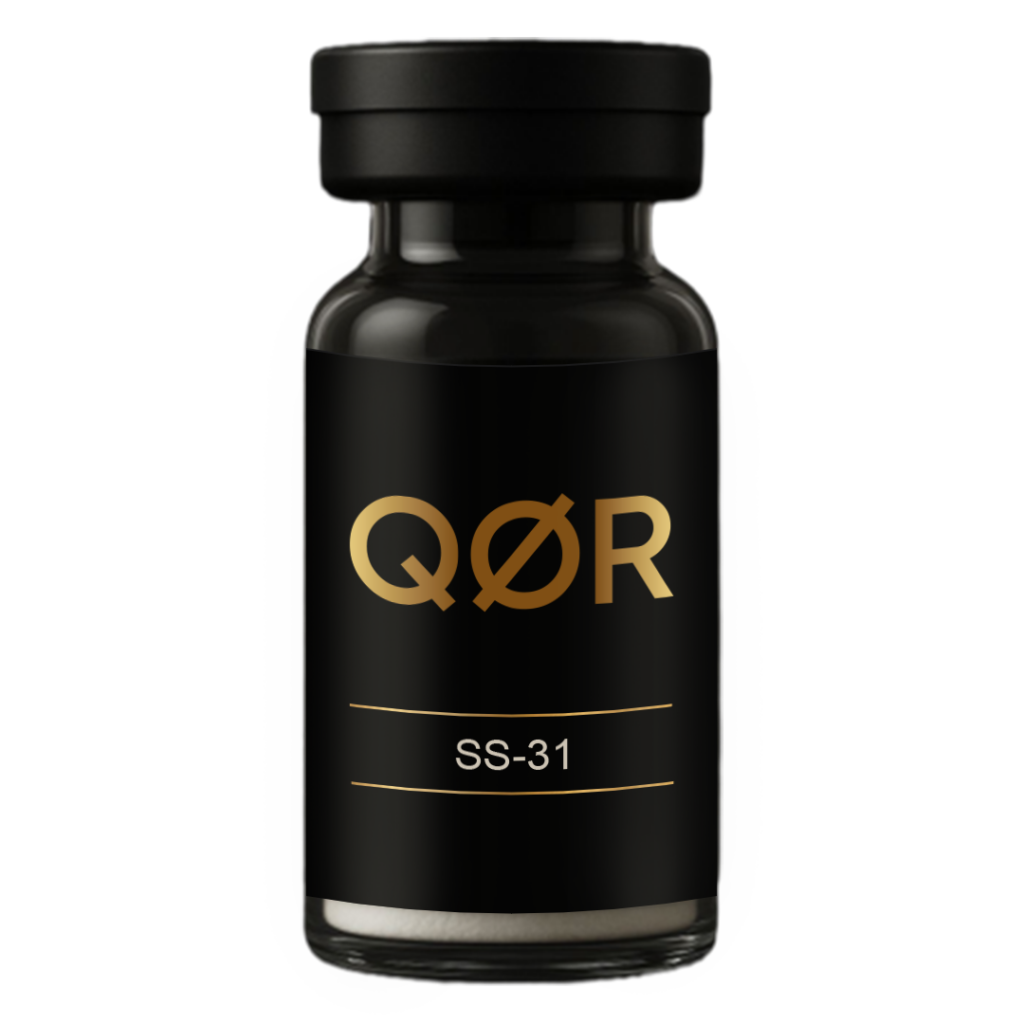
SS-31 10mg: A mitochondria-targeted tetrapeptide used to probe cardiolipin-dependent bioenergetics, electron transport efficiency, and mitochondrial membrane architecture.
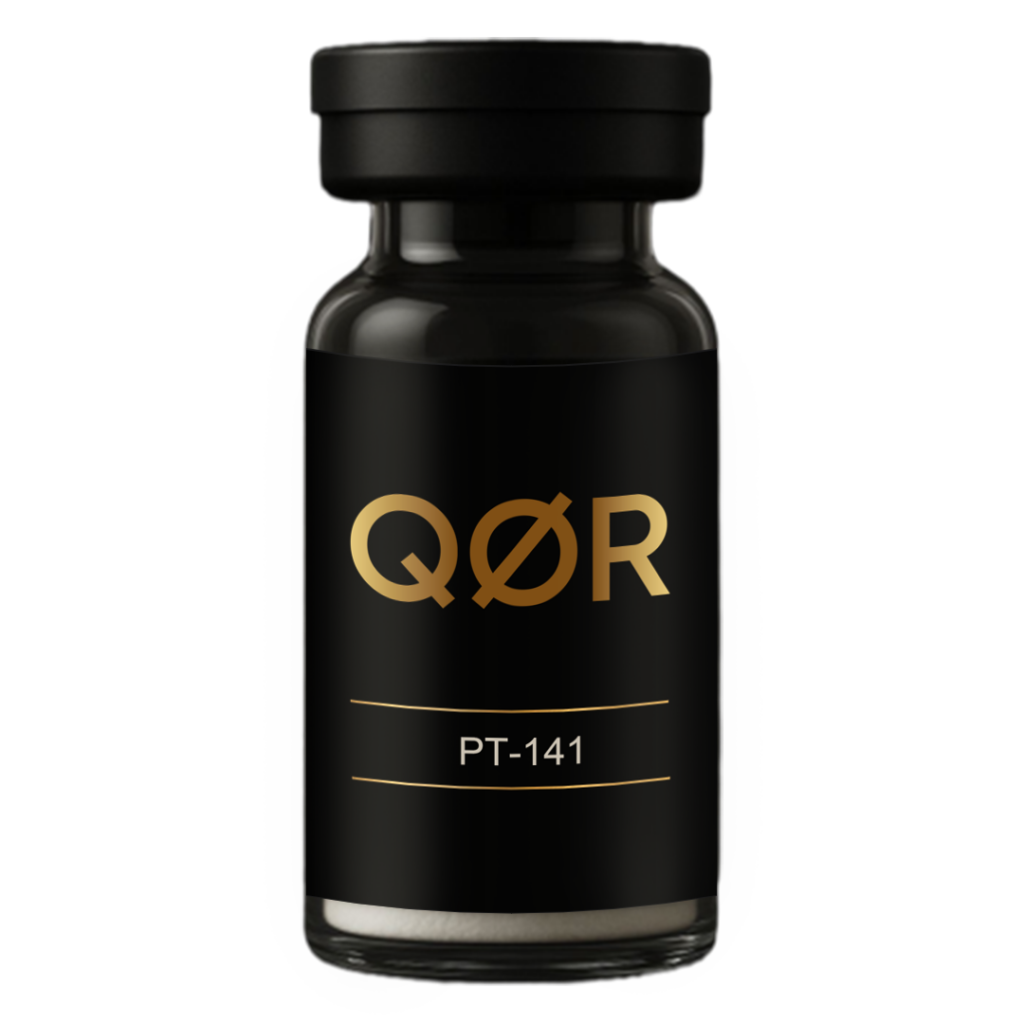
PT-141 10mg: A synthetic melanocortin receptor agonist (MC3R/MC4R) used to study GPCR pharmacology and hypothalamic signaling networks in laboratory models.
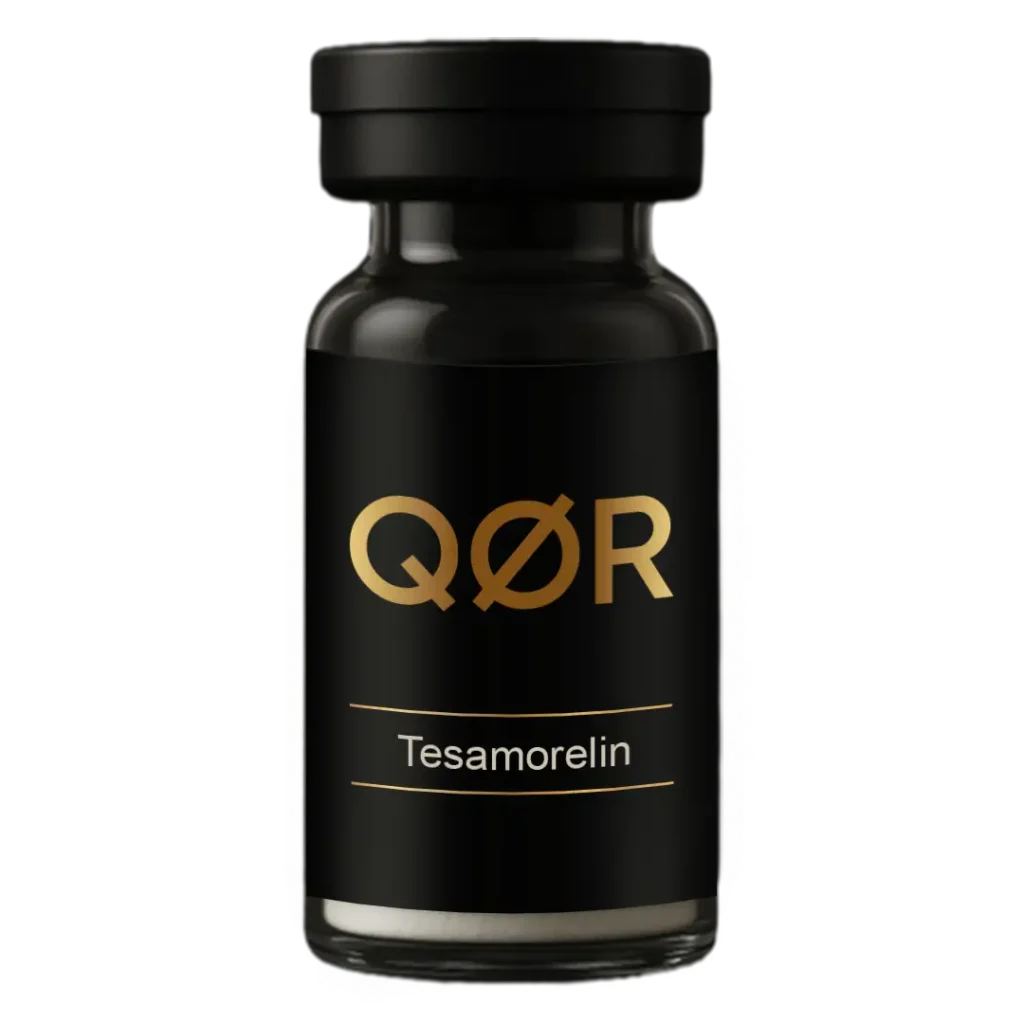
Tesamorelin: A 44-amino acid GHRH analogue used to investigate growth hormone axis regulation, visceral adiposity, and neuroendocrine-metabolic interactions.
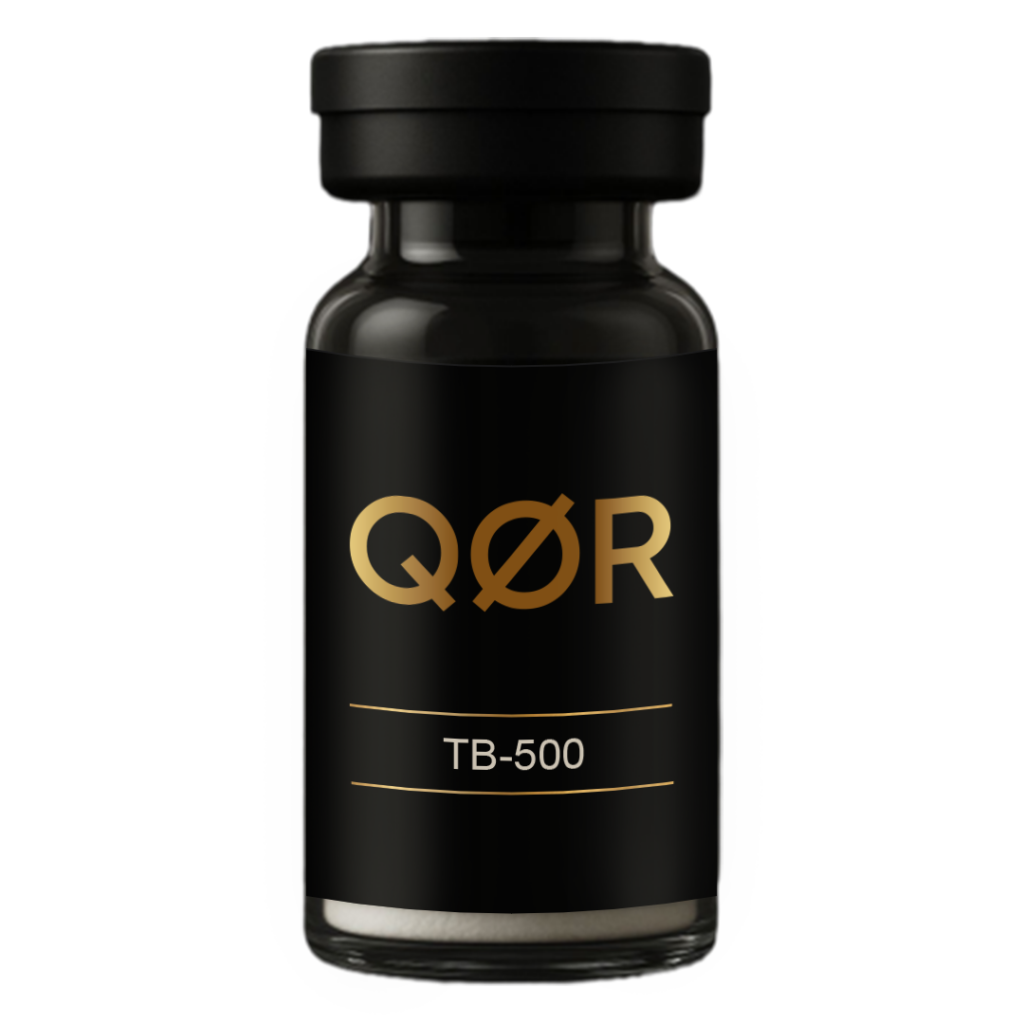
TB 500: A synthetic form of Thymosin Beta-4 used as a tool to study G-actin sequestration, cytoskeletal dynamics, and vascular remodeling in tissue models.
Recently viewed
What our customers say about us
Private research laboratory
QØR has supplied us with consistent reference materials and clear batch documentation across multiple orders which supports our internal assay validation work
Academic research center
From ordering through delivery, communication and documentation have met our institutional expectations for research materials procurement.
Private Research Organization
Consistent batch records and clear technical communication support our internal quality requirements.
Academic Research Center
Documentation was complete, packaging was appropriate for our facility, and delivery aligned with our internal timelines.