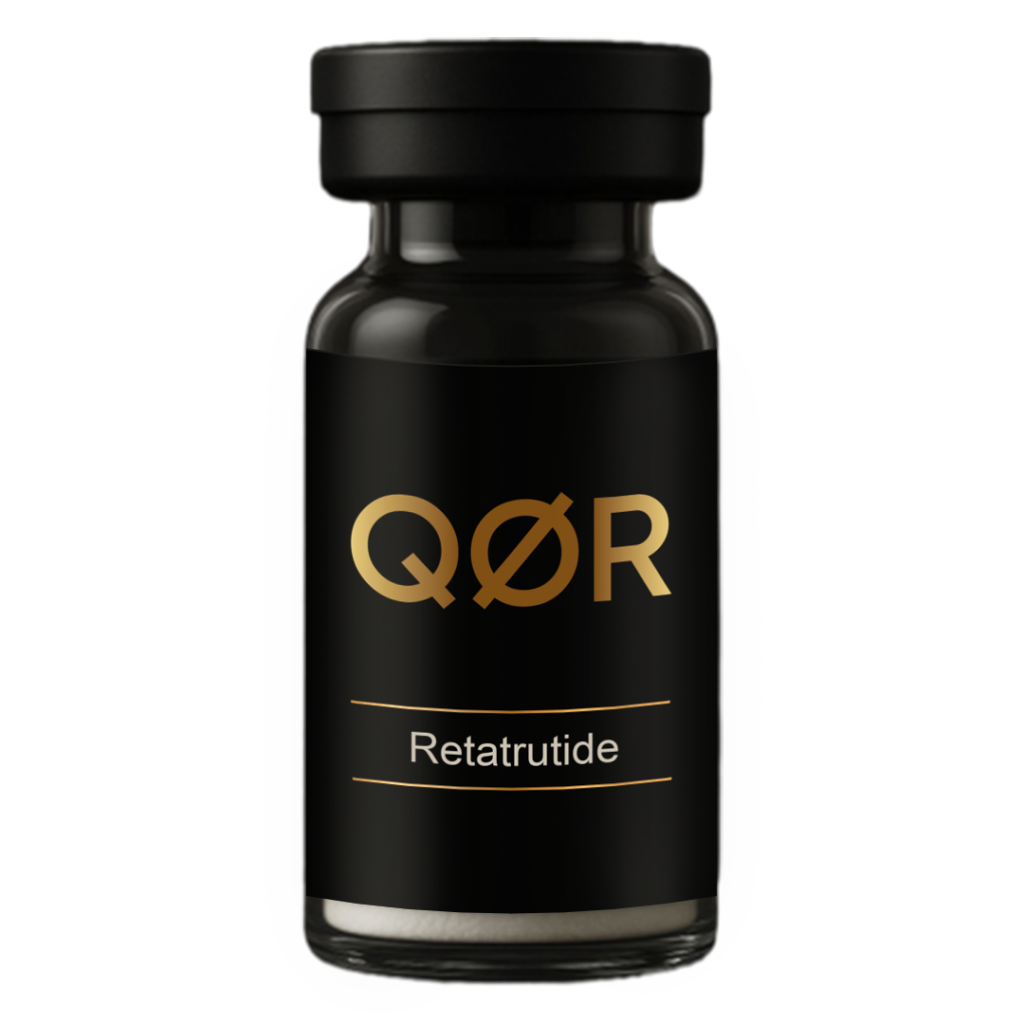
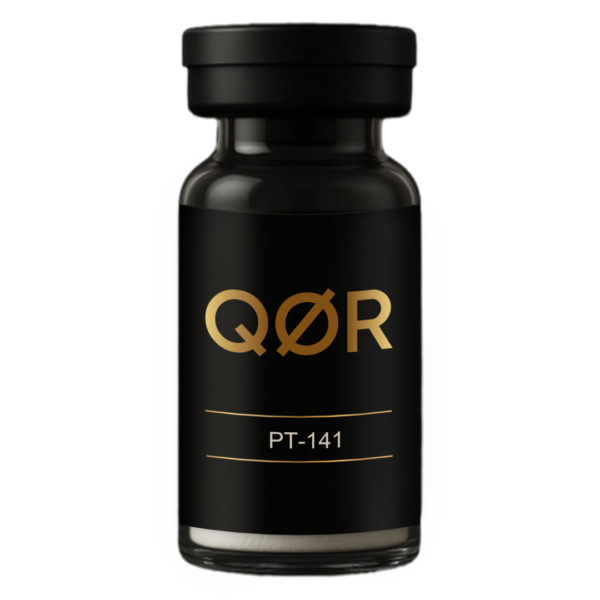
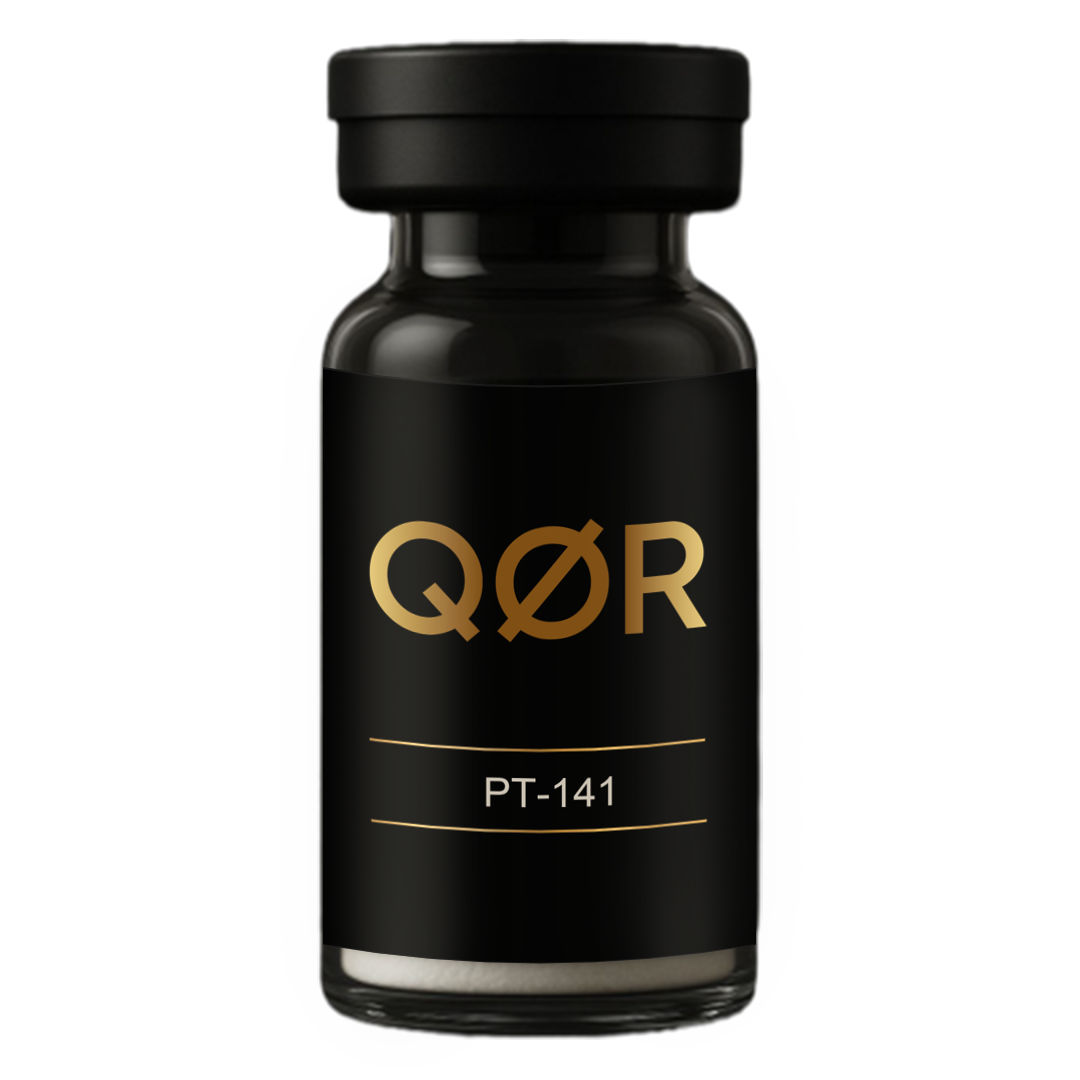
PT-141 10mg: A synthetic melanocortin receptor agonist (MC3R/MC4R) used to study GPCR pharmacology and hypothalamic signaling networks in laboratory models.
PT 141 is a synthetic melanocortin receptor agonist structurally derived from the analog Melanotan II. It is supplied as a research grade peptide for use in studies of central melanocortin receptor pharmacology neuronal signaling and neuroendocrine pathway modulation.
Molecular and mechanistic information
PT 141 has been designed to interact selectively with melanocortin receptors MC3R and MC4R which are G protein coupled receptors expressed in hypothalamic and other central nervous system regions. In preclinical and mechanistic studies PT 141 is used as a tool compound to activate these receptors and to characterise downstream second messenger pathways and neuropeptide signaling networks. Experimental work commonly examines PT 141 in models that track hypothalamic control mechanisms including circuits involved in autonomic regulation energy balance and neuroendocrine output. Assays typically measure receptor engagement intracellular signaling events and changes in gene or peptide expression associated with melanocortin pathways under controlled exposure conditions.
Intended use
This product is intended exclusively for in vitro experiments ex vivo preparations and other controlled laboratory research applications including animal studies carried out under appropriate oversight. Typical applications include GPCR activation assays neuronal signaling investigations and neuroendocrine modulation research. It is not intended for human or veterinary use. It is not intended for diagnosis treatment cure prevention or mitigation of any disease or clinical condition.
It is not a drug food dietary supplement cosmetic or medical device.
Key features
Synthetic melanocortin receptor agonist structurally related to Melanotan II Selective activity at MC3R and MC4R for targeted GPCR and hypothalamic pathway studies
Suitable for research on neuroendocrine signaling central melanocortin networks and peptide GPCR pharmacology
Overview
PT 141 is a synthetic melanocortin receptor agonist used as a probe for central melanocortin receptor pharmacology. It is applied in controlled systems to study GPCR activation patterns neuronal signaling outputs and neuroendocrine pathway modulation. The points below summarise how PT 141 and related melanocortin ligands are used in preclinical research. All observations are model specific and do not imply any clinical or functional outcomes in humans.
1. Melanocortin receptor pharmacology and ligand receptor selectivity
PT 141 is widely used as an agonist in receptor pharmacology assays that characterise melanocortin receptor activation. In these setups MC3R and MC4R are expressed in recombinant or native systems and PT 141 is applied across a concentration range to generate detailed concentration response profiles. Common endpoints include second messenger production such as cAMP levels phospho protein signatures for pathway activation and receptor internalisation or recycling metrics.
Researchers use these data to compare signaling behavior across melanocortin receptor subtypes evaluate ligand bias toward particular pathways and study receptor desensitisation under repeated or sustained stimulation.
2. CNS relevant signaling networks in animal models
Rodent models provide a platform to map melanocortin receptor linked signaling across central nervous system circuits. PT 141 is administered under defined protocols and downstream molecular endpoints are quantified in hypothalamic and other brain regions. Measured markers can include cAMP regulated transcriptional signatures ERK and other MAPK phosphorylation patterns and immediate early gene expression such as c fos and related indicators of neuronal activation. Pharmacologic blockade and genetic models that alter specific melanocortin receptors are used to attribute observed effects to particular receptor subtypes. This work positions PT 141 as a tool compound for probing how MC3R and MC4R contribute to integrated CNS network activity.
3. Inflammation and host response pathway interrogation
Although PT 141 is primarily associated with MC3R and MC4R there is broader interest in melanocortin pathway involvement in inflammation and host responses.
In immune adjacent models melanocortin ligands are employed to examine how receptor activation intersects with regulation of cytokines macrophage phenotypes and leukocyte signaling. Experimental designs in preclinical infection and inflammation paradigms quantify cytokine linked endpoints leukocyte activation markers and tissue level inflammatory signatures. These studies use melanocortin agonists as probes to characterise cross talk between neuropeptide receptors and immune regulatory networks in vivo and in vitro.
4. Pigmentation linked signaling and photobiology mechanisms
Melanocortin signaling is also central to pigmentation biology through MC1R expressed on melanocytes. In melanocyte focused systems melanocortin ligands are used to study cAMP protein kinase A dependent transcriptional control of enzymes involved in melanin synthesis and melanosome formation. Assays typically evaluate expression and activity of tyrosinase and other melanogenic enzymes melanosome maturation and distribution and cross talk with MAPK cascades. DNA damage response markers and photoprotective signaling components may also be monitored in mechanistic photobiology workflows that incorporate melanocortin pathway activation.
Typical research applications
Across the literature PT 141 and related melanocortin ligands are used in melanocortin receptor pharmacology and ligand selectivity assays
CNS circuit mapping in rodent models using molecular and transcriptional endpoints immune and inflammation related models probing melanocortin host response interactions
pigmentation and photobiology studies that rely on MC1R driven signaling readouts. In all these contexts PT 141 functions as a defined GPCR agonist for mechanistic research not as a finished product for any applied use.
Important research disclaimer
All findings summarised here arise from in vitro systems ex vivo preparations and animal models conducted under controlled protocols. They are presented solely to inform qualified researchers about how PT 141 and melanocortin ligands are used as tools in receptor and signaling research. These observations do not demonstrate or imply that PT 141 is safe or effective for any human or veterinary indication. They are not dosing instructions medical advice or guidance for any functional or clinical application.
PT 141 supplied is intended strictly for laboratory research use. It is not for human or veterinary use and must not be used for diagnosis treatment cure prevention or mitigation of any disease or condition.”
Storage Instructions
Store peptides only in professional, controlled environments that operate under their own safety and quality systems. All storage, handling, and disposal must follow your organization’s written policies, risk assessments, and standard operating procedures. It is the responsibility of the facility and its staff to ensure that these policies are in place, understood, and actively followed. Keep vials in a cool, dry location away from direct light, heat, and moisture. Vials should remain upright, sealed, and protected from physical impact so contents and labels stay intact and legible. If your procedures include freezing, use appropriate working volumes and avoid repeated freeze and thaw cycles of the same vial.
Do not store peptides near food, drink, or general consumables. Keep them only in designated storage areas with controlled access that reflect your internal governance and regulatory obligations. Handling and preparation must be carried out solely by personnel who are trained and authorized under your institutional guidelines.
Intended use
This product is intended exclusively for in vitro experiments ex vivo preparations and other controlled laboratory research applications including animal studies conducted under appropriate oversight. Typical uses include cell culture assays biochemical experiments on copper binding and transport and investigations of extracellular matrix remodeling and tissue biology. It is not intended for human or veterinary use. It is not intended for diagnosis treatment cure prevention or mitigation of any disease or cosmetic condition. It is not a drug food dietary supplement cosmetic ingredient or medical device.”
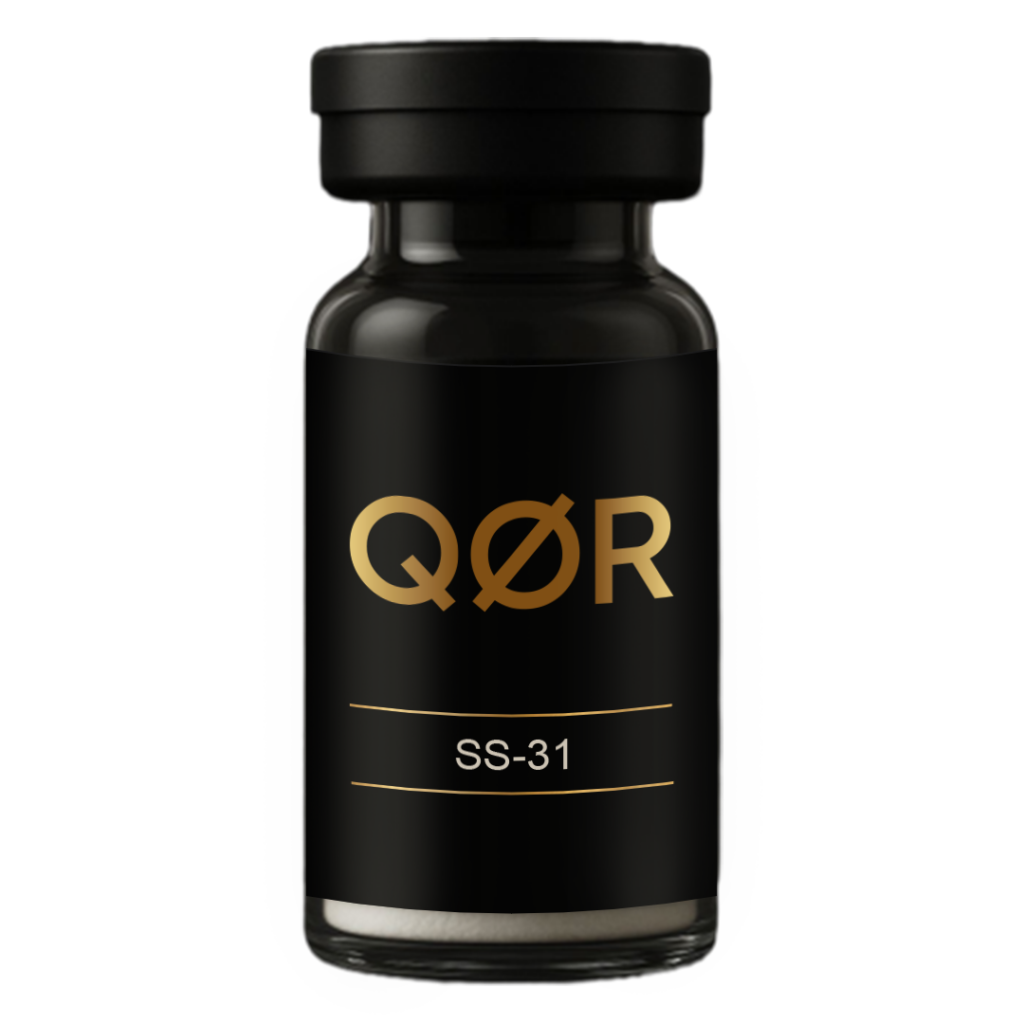
SS-31 10mg: A mitochondria-targeted tetrapeptide used to probe cardiolipin-dependent bioenergetics, electron transport efficiency, and mitochondrial membrane architecture.
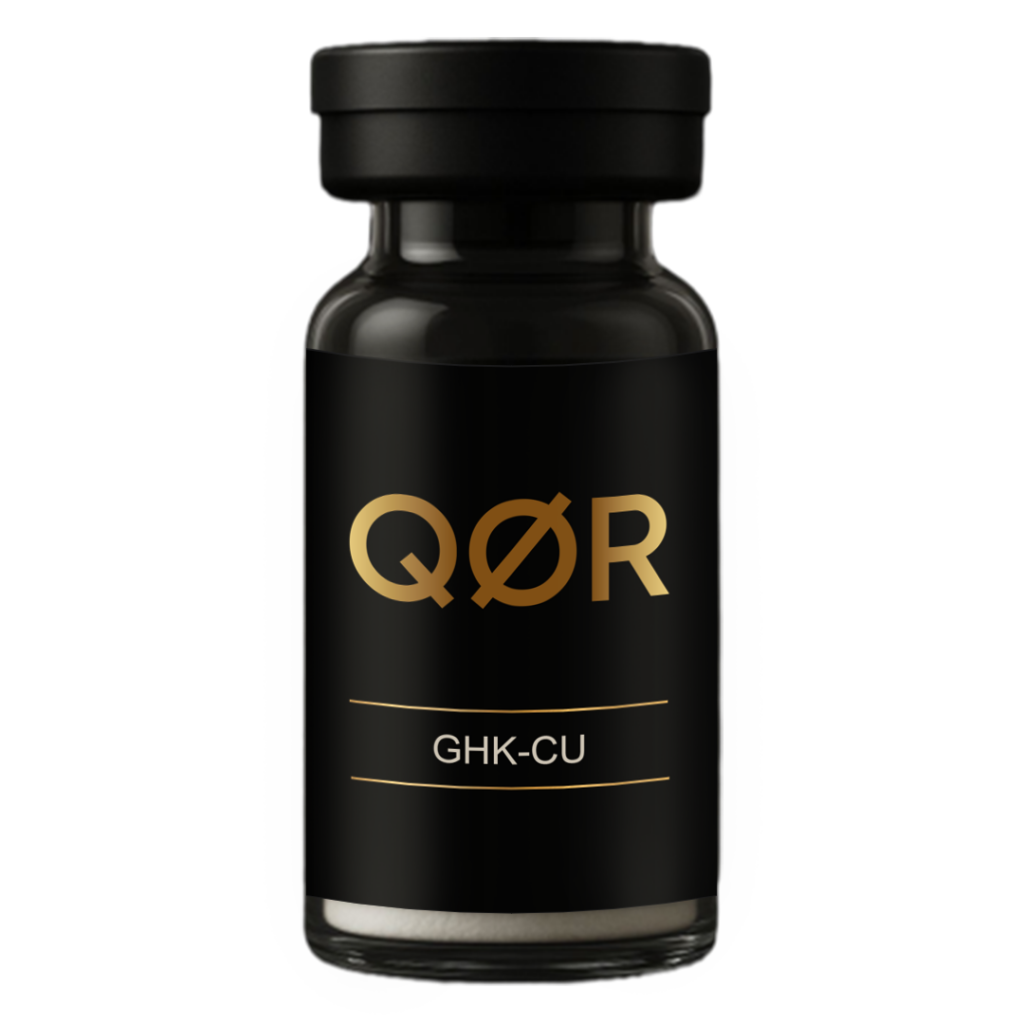
GHK-Cu 100mg: A tripeptide-copper complex utilized in cell culture research to study extracellular matrix remodeling, angiogenesis, and copper-dependent signaling.
$145.00–$245.00Price range: $145.00 through $245.00
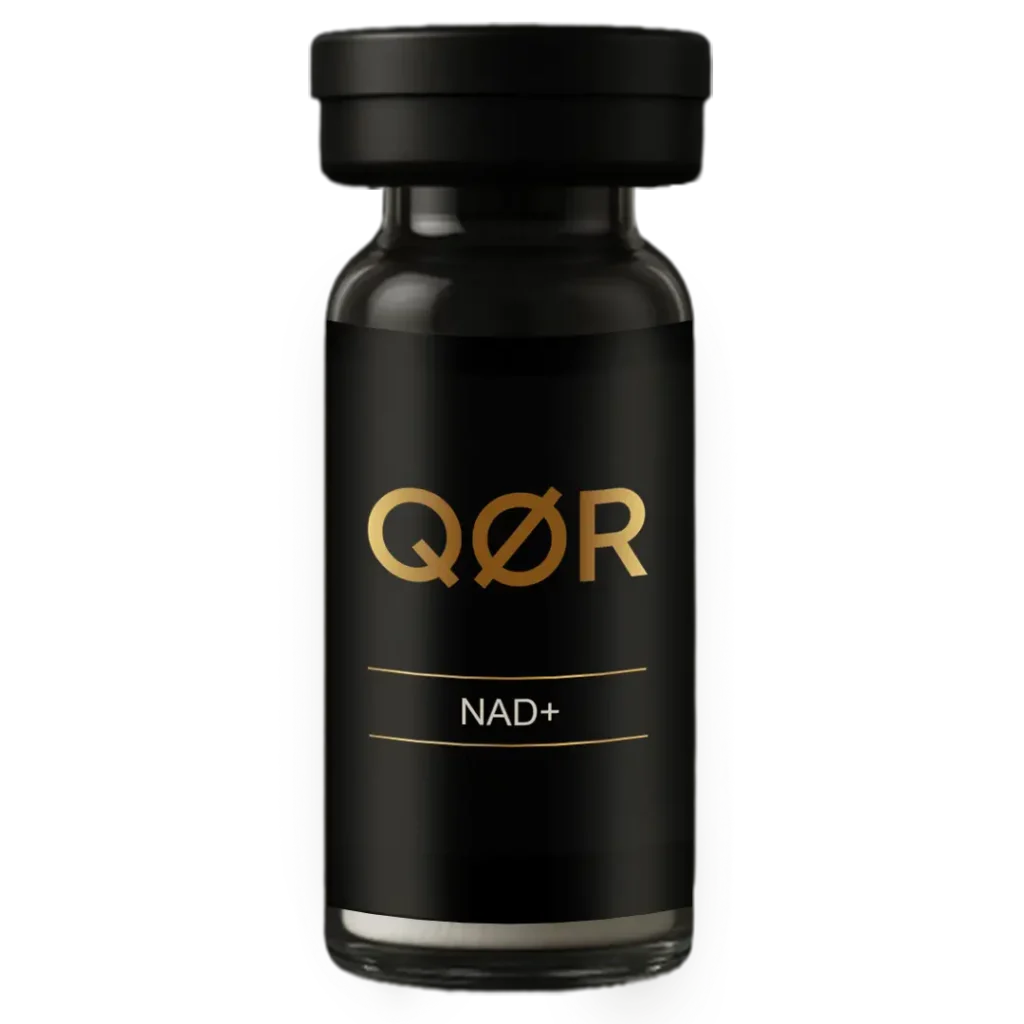
NAD: A central metabolic coenzyme used in laboratory assays to study mitochondrial bioenergetics, sirtuin activity, and NAD-dependent signaling pathways.
Recently viewed
What our customers say about us
Private research laboratory
QØR has supplied us with consistent reference materials and clear batch documentation across multiple orders which supports our internal assay validation work
Academic research center
From ordering through delivery, communication and documentation have met our institutional expectations for research materials procurement.
Private Research Organization
Consistent batch records and clear technical communication support our internal quality requirements.
Academic Research Center
Documentation was complete, packaging was appropriate for our facility, and delivery aligned with our internal timelines.