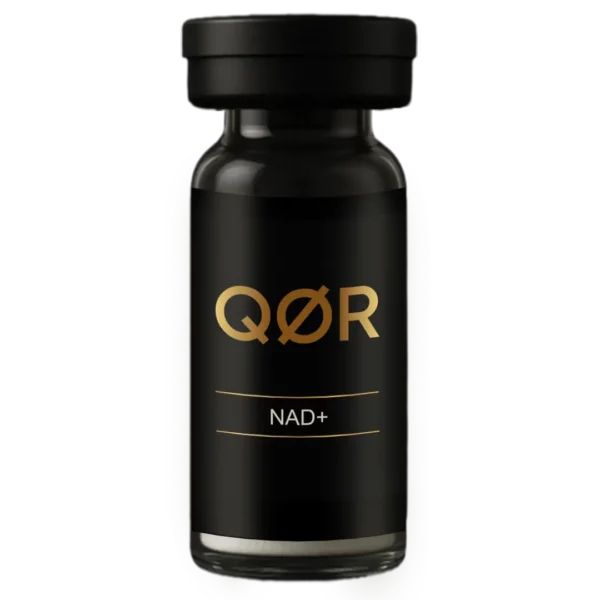
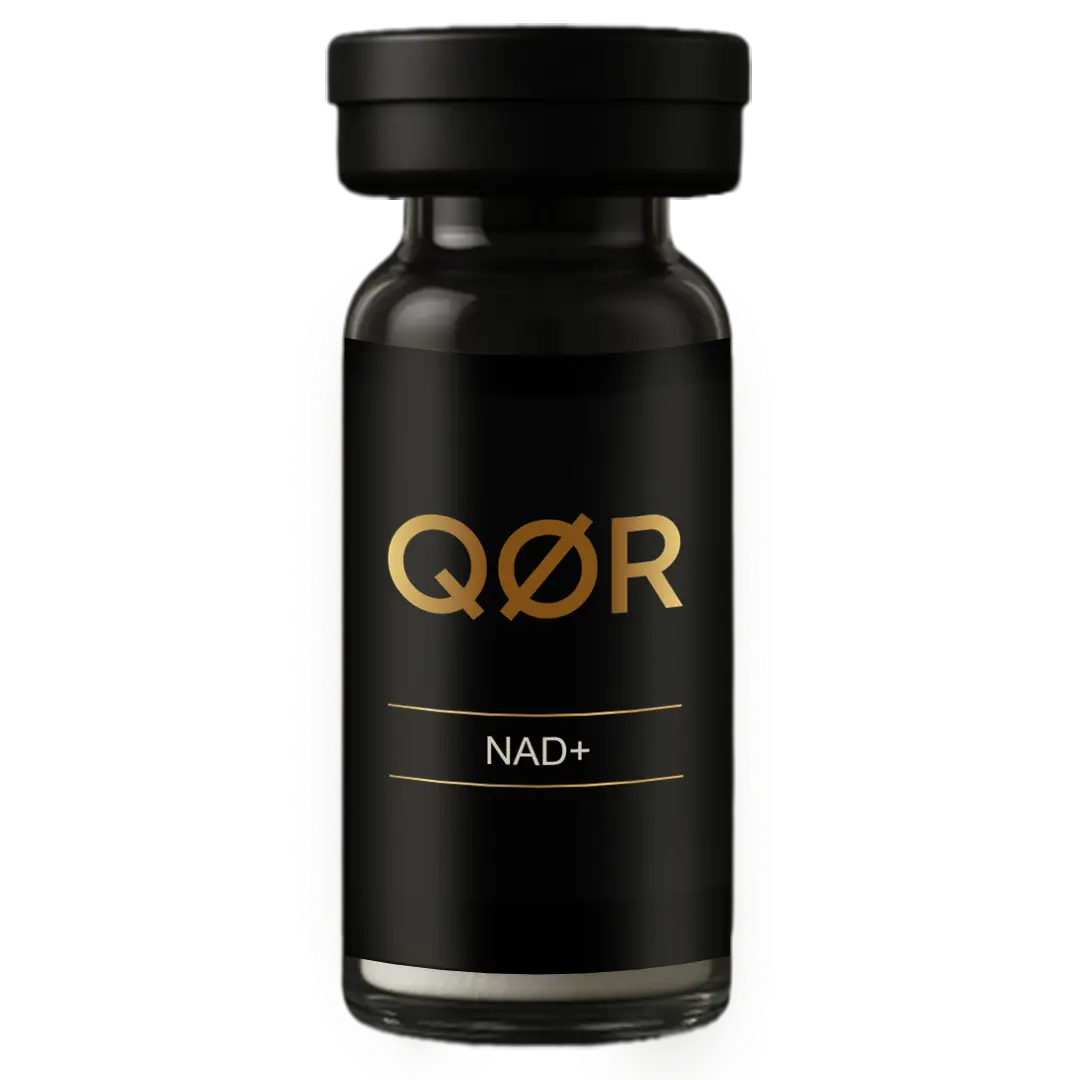
NAD: A central metabolic coenzyme used in laboratory assays to study mitochondrial bioenergetics, sirtuin activity, and NAD-dependent signaling pathways.
$145.00–$245.00Price range: $145.00 through $245.00
NAD is the oxidized form of nicotinamide adenine dinucleotide a ubiquitous pyridine nucleotide coenzyme present in all living cells. It cycles between NAD and NADH to mediate redox reactions that underpin cellular energy metabolism. This material is supplied as a research grade reagent for laboratories that study bioenergetics redox biology and NAD dependent signaling pathways.
Molecular and biochemical information
NAD participates in electron transfer reactions across glycolysis the tricarboxylic acid cycle and oxidative phosphorylation where it functions as a key hydride carrier.
Through interconversion between NAD and NADH it links substrate oxidation to ATP generation and broader metabolic flux. Beyond primary metabolism NAD serves as a substrate for several enzyme families including sirtuins and poly ADP ribose polymerases. In experimental systems these enzymes are central to investigations of DNA repair chromatin structure gene regulation stress responses and longevity associated pathways. NAD dependent sirtuins use the coenzyme to regulate deacetylation reactions that affect transcription factor activity DNA repair and metabolic control. PARP enzymes consume NAD during DNA damage responses and are studied for their roles in maintaining genomic stability and coordinating repair signaling.
In cell and animal models modulation of NAD pools is widely used to probe effects on muscle function neuronal resilience mitochondrial performance and other endpoints associated with cellular homeostasis and aging biology.
Intended use
This product is intended exclusively for in vitro experiments ex vivo preparations and other controlled laboratory research applications.Typical uses include biochemical assays of dehydrogenases and oxidoreductases cell culture studies of redox state NAD metabolomics work and investigations of sirtuin and PARP activity. It is not intended for human or veterinary use. It is not intended for diagnosis treatment cure prevention or mitigation of any disease or aging related condition. It is not a drug food dietary supplement cosmetic or medical device.
Key features
Defined oxidized nicotinamide adenine dinucleotide suitable for redox and metabolic research Applicable in assays of NAD NADH ratio cellular energy status and NAD consuming enzyme pathways
Compatible with cell free enzyme kinetics cell culture experiments and analytical method development for NAD metabolite profiling
Overview
NAD is a central cofactor in cellular energy production redox balance and signaling. It sits at the crossroads of mitochondrial function DNA repair inflammation and cell survival which makes it a primary focus in aging and disease research. The following sections summarise how NAD modulation is used in preclinical and translational studies.
All observations are model specific and do not imply any supplement or therapeutic claims.
1. Anti aging research and mitochondrial function
A hallmark of aging is a decline in mitochondrial quality and activity. Across tissues this decline is linked to cellular senescence chronic inflammation and reduced stem cell function which together slow healing and recovery. Work from multiple groups including Nuo Sun and David Sinclair has framed mitochondria as signaling platforms rather than simple energy factories. They regulate innate immunity control stem cell dynamics and orchestrate stress responses which makes mitochondrial integrity a central lever in aging biology. Animal studies show that age related drops in NAD levels contribute to impaired mitochondrial signaling between the nucleus and mitochondria.
This can create a pseudohypoxic state where communication between nuclear DNA and mitochondrial machinery breaks down even when oxygen is available.
In mouse models replenishing NAD or its precursors restores mitochondrial function and re establishes nucleus mitochondria crosstalk.
These interventions reverse several molecular features of mitochondrial aging in skeletal muscle and other tissues and are used to test how far age related changes can be pushed back at the cellular level. A major part of this effect runs through SIRT 1 an NAD dependent deacetylase. Maintaining NAD supports SIRT 1 activity which in turn regulates genes tied to stress resistance metabolism and longevity linked processes.
2. Muscle function and mitochondrial aging in skeletal muscle
Skeletal muscle provides a clear two stage model of mitochondrial aging in mice. Stage one involves reduced oxidative phosphorylation due to lower expression of mitochondrial genes. Stage two adds more widespread dysfunction where both mitochondrial and nuclear genes for oxidative phosphorylation are impaired.
Research shows that in stage one increasing NAD restores mitochondrial function and prevents progression to stage two. If intervention is delayed until full dysfunction sets in however NAD replenishment can no longer rescue the system. This timing effect is used to argue that early NAD support may be critical for preserving muscle mitochondrial health over the lifespan. Parallel work shows that exercise training produces similar protective effects through PGC 1 alpha signaling which supports mitochondrial DNA integrity oxidative proteins and angiogenic factors. Side by side models of exercise and NAD based interventions help dissect how both strategies converge on shared mitochondrial pathways.
3. NAD and neurodegenerative disease research
Changes in NAD metabolism have far reaching consequences in the central nervous system. Preclinical data link NAD decline and altered NAD handling to diseases such as Alzheimer Huntington and Parkinson type pathologies. In mouse models of Huntington disease and related conditions NAD boosting approaches improve mitochondrial function and lower reactive oxygen species production. Because reactive oxygen species contribute to inflammatory damage and neuron loss these changes are considered neuroprotective in the experimental setting. There is strong interest in combining NAD support with PARP inhibition in neurodegeneration models. PARP enzymes use NAD for DNA repair but overactivation can deplete cellular NAD and ATP driving energetic collapse and cell death. Balancing DNA repair capacity with preservation of NAD stores is a key focus of this work. In Parkinson models NAD elevation protects dopaminergic neurons in the substantia nigra and reduces motor deficits in animals. Separate lines of research examine how NAD availability impacts the kynurenine pathway which converts tryptophan into NAD at the cost of neurotransmitter precursors. Dysregulated kynurenine metabolism has been tied to several neurodegenerative and psychiatric conditions making NAD a strategic node in this pathway.
4. NAD and inflammation metabolic disease and NAMPT
NAD levels are controlled in part by NAMPT a rate limiting enzyme in the NAD salvage pathway. NAMPT expression rises in inflammatory states and is frequently elevated in obesity type 2 diabetes nonalcoholic fatty liver disease and certain cancers. High NAMPT low NAD environments are associated with insulin resistance increased free fatty acids and hepatic glucose output. These shifts drive the metabolic pattern that precedes type 2 diabetes and cardiovascular disease. Experimental models suggest that restoring NAD can modulate this axis potentially reducing NAMPT driven inflammation and improving insulin sensitivity parameters. Researchers track adiponectin levels hepatic glucose production skeletal muscle glucose uptake and systemic inflammatory markers to quantify these effects.
5. Addiction and CNS recovery research
Alcohol and drug exposure can depress NAD levels and disrupt cellular redox balance. Historically NAD based protocols were explored for nutritional and mood support in addiction recovery as early as the 1960s. More recent studies combine NAD replenishment with targeted amino acid formulations and examine outcomes such as craving intensity stress markers and anxiety related behaviors. These data are still early but suggest that stabilising NAD linked metabolic pathways may support central nervous system recovery in substance use models.
6. NAD in clinical aging and chronic disease trials
Animal models provide strong evidence that NAD support can offset aspects of mitochondrial aging. On that foundation NAD and its precursors are being tested in clinical studies for neurodegenerative diseases and chronic metabolic conditions such as type 2 diabetes. Endpoints in these trials include mitochondrial function markers insulin sensitivity cognitive performance neuroimaging measures and inflammatory profiles. The goal is to determine whether the benefits seen in mice translate into meaningful slowing of disease progression or measurable improvements in human physiological aging. Preclinical toxicology suggests minimal adverse findings along with low oral and strong parenteral bioavailability in rodents. Dose ranges established in mice however do not directly translate to humans which is why clinical protocols are tightly controlled and NAD products in research catalogs remain restricted to laboratory use.
Typical research applications
Across laboratories NAD is used in mitochondrial aging and bioenergetics studies skeletal muscle function and exercise adaptation models neurodegenerative disease models including Alzheimer Huntington and Parkinson paradigms kynurenine pathway and neurotransmitter metabolism research inflammation and metabolic disease models focused on obesity diabetes and fatty liver addiction and CNS recovery studies clinical trials in aging and chronic disease that monitor NAD related biomarkers.
In every case NAD functions as a central metabolic cofactor and signaling node for mechanistic investigation.
Important research disclaimer
All findings summarised here come from in vitro systems animal models and regulated clinical studies under defined protocols. They are provided solely to inform qualified researchers about how NAD modulation is being used to study aging metabolism and disease. These observations do not show or imply that NAD is safe or effective as a consumer supplement for anti aging metabolic disease neurodegeneration addiction or any other condition. They are not dosing instructions medical advice or guidance for self administration. NAD supplied as a research reagent is intended strictly for educational and scientific research. It is not for human or veterinary use and must not be used for diagnosis treatment cure prevention or mitigation of any disease or condition.
“
Storage Instructions
Store peptides only in professional, controlled environments that operate under their own safety and quality systems. All storage, handling, and disposal must follow your organization’s written policies, risk assessments, and standard operating procedures. It is the responsibility of the facility and its staff to ensure that these policies are in place, understood, and actively followed. Keep vials in a cool, dry location away from direct light, heat, and moisture. Vials should remain upright, sealed, and protected from physical impact so contents and labels stay intact and legible. If your procedures include freezing, use appropriate working volumes and avoid repeated freeze and thaw cycles of the same vial. Do not store peptides near food, drink, or general consumables. Keep them only in designated storage areas with controlled access that reflect your internal governance and regulatory obligations. Handling and preparation must be carried out solely by personnel who are trained and authorized under your institutional guidelines.
Intended use
This product is intended exclusively for in vitro experiments ex vivo preparations and other controlled laboratory research applications including animal studies conducted under appropriate oversight. Typical uses include cell culture assays biochemical experiments on copper binding and transport and investigations of extracellular matrix remodeling and tissue biology. It is not intended for human or veterinary use. It is not intended for diagnosis treatment cure prevention or mitigation of any disease or cosmetic condition. It is not a drug food dietary supplement cosmetic ingredient or medical device.
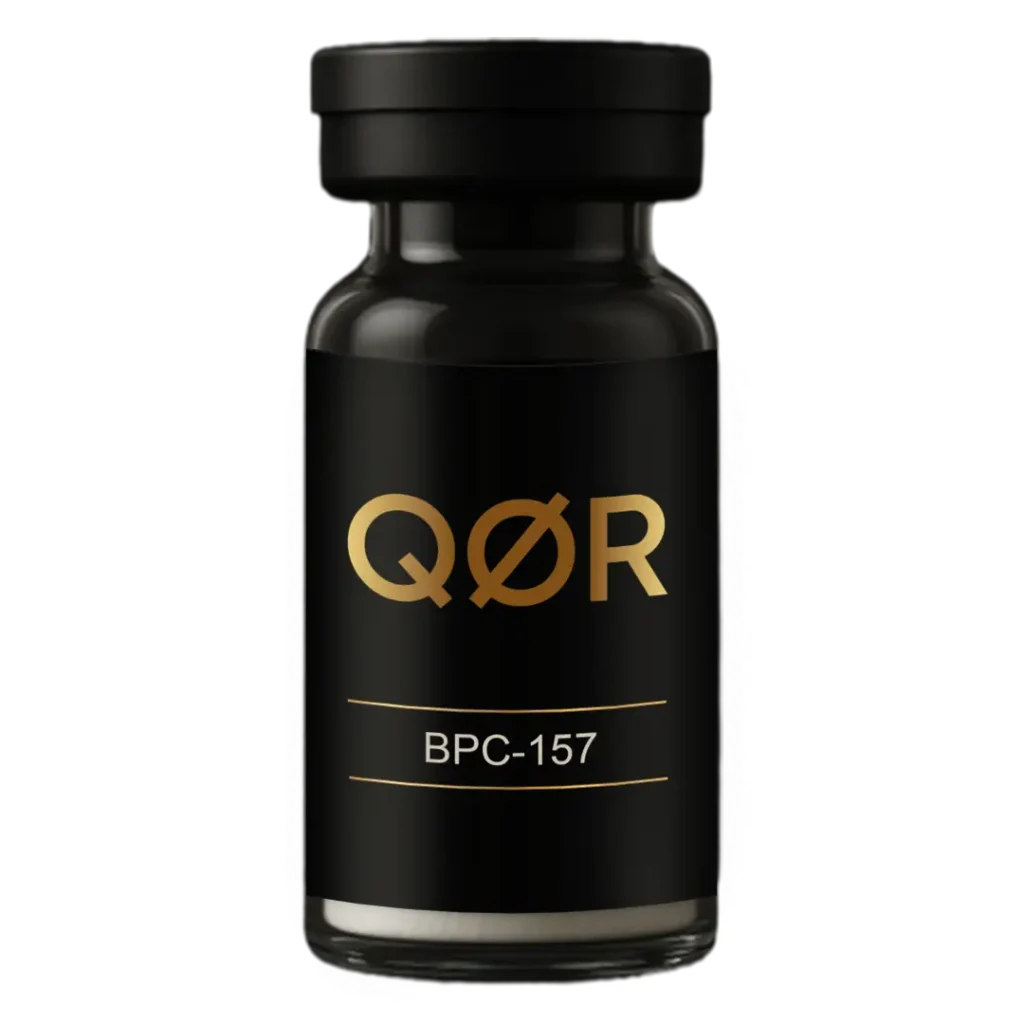
BPC-157 is a penta-decapeptide composed of 15 amino acids. It is a partial sequence of the body protection compound (BPC) that was discovered in and isolated from human gastric juice
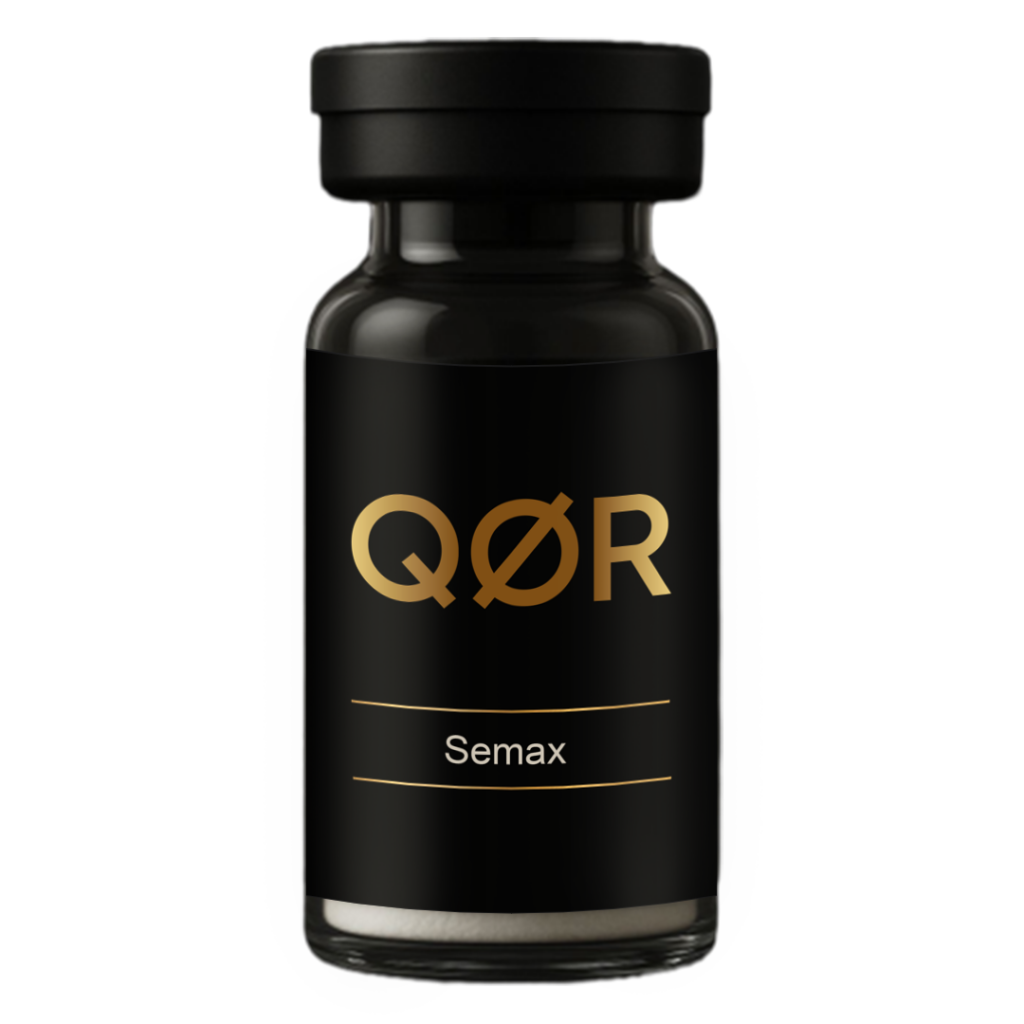
Semax 10mg: An ACTH-derived heptapeptide used as a tool compound to study neurotrophic signaling, BDNF expression, and neuronal plasticity in CNS models.
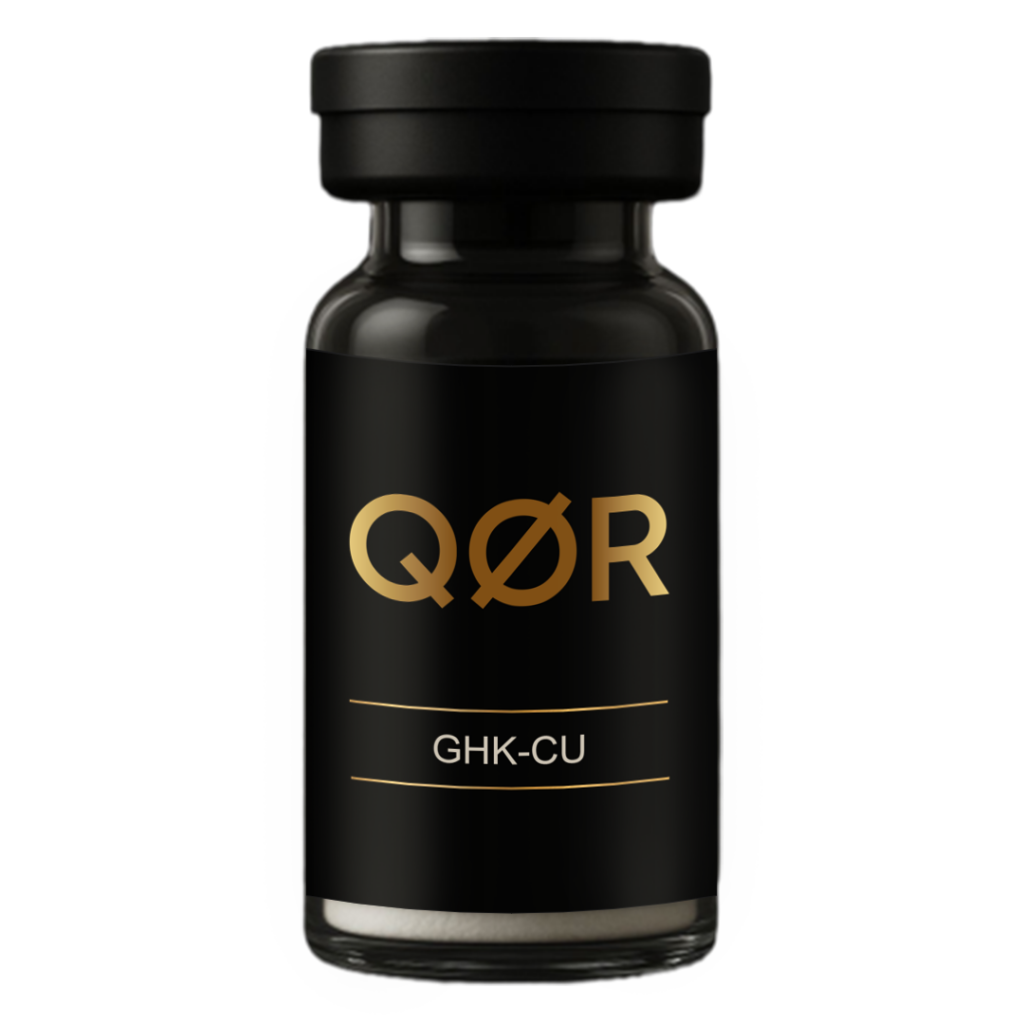
GHK-Cu 100mg: A tripeptide-copper complex utilized in cell culture research to study extracellular matrix remodeling, angiogenesis, and copper-dependent signaling.
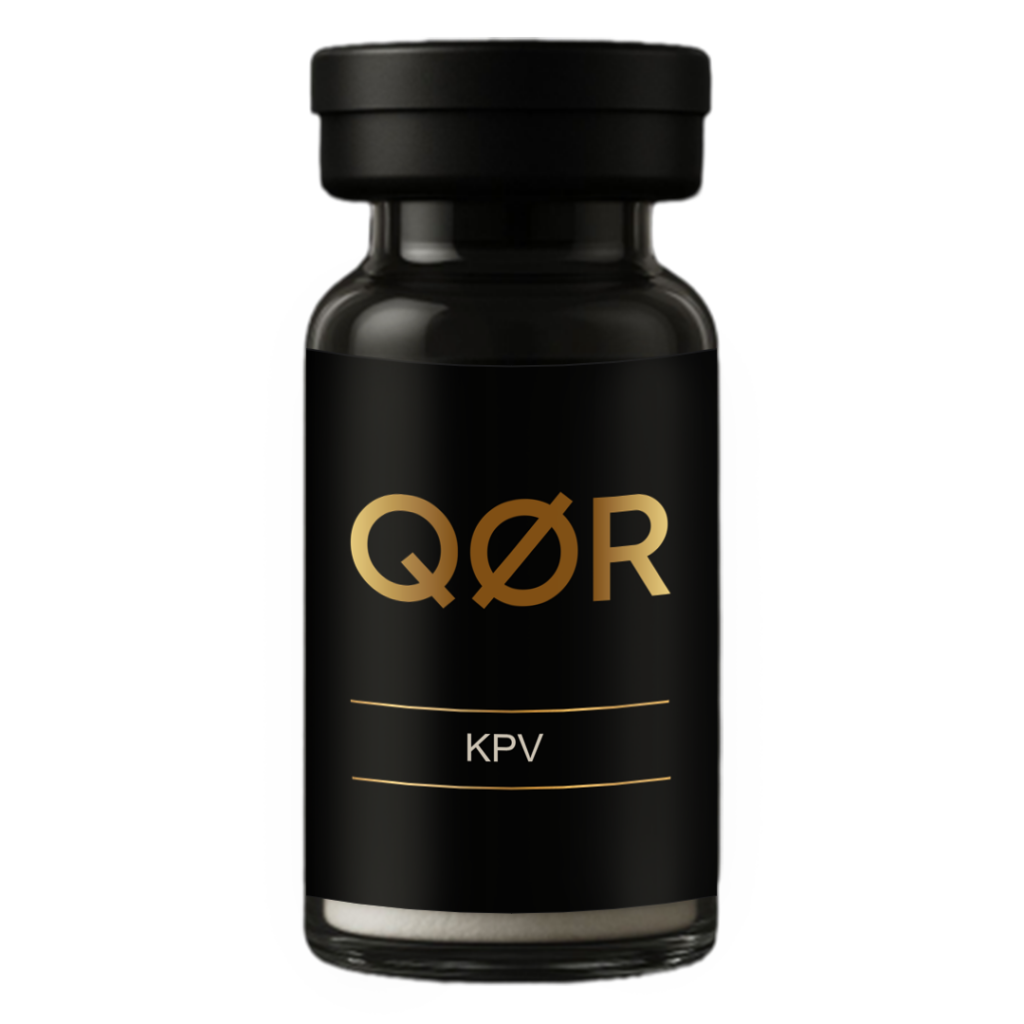
KPV 10mg: An acetylated alpha-MSH fragment used as a research tool to investigate inflammatory signaling pathways and epithelial transport mechanisms.
Recently viewed
What our customers say about us
Private research laboratory
QØR has supplied us with consistent reference materials and clear batch documentation across multiple orders which supports our internal assay validation work
Academic research center
From ordering through delivery, communication and documentation have met our institutional expectations for research materials procurement.
Private Research Organization
Consistent batch records and clear technical communication support our internal quality requirements.
Academic Research Center
Documentation was complete, packaging was appropriate for our facility, and delivery aligned with our internal timelines.