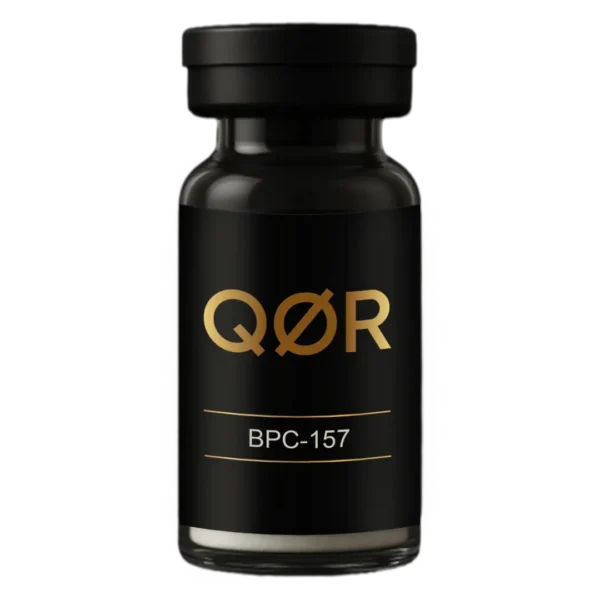
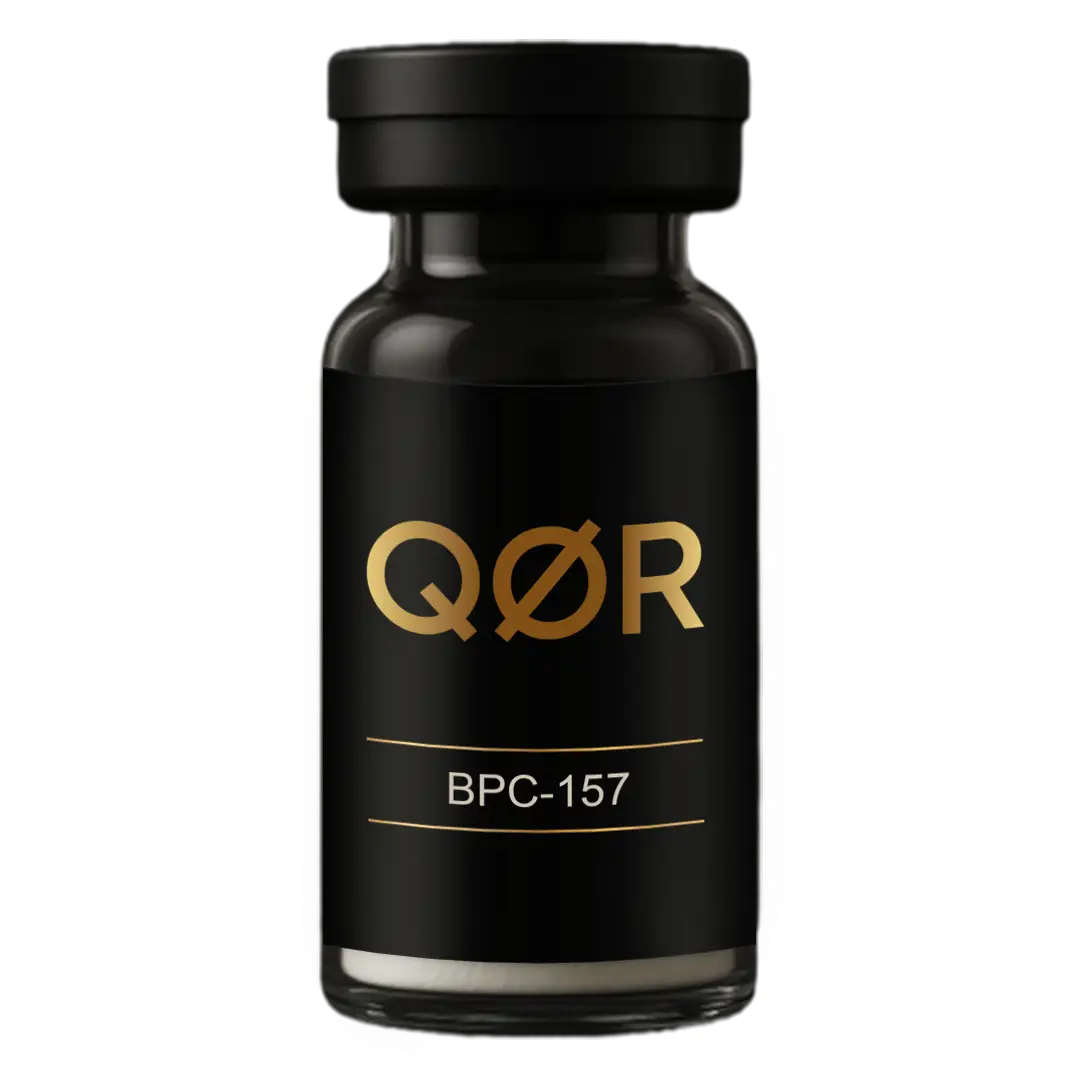
BPC 157 is a synthetic penta decapeptide consisting of 15 amino acids. It is based on a partial sequence of the body protection compound originally isolated from human gastric juice.
This material is supplied exclusively as a laboratory research reagent.
Molecular information
BPC 157 is a fifteen amino acid peptide belonging to the class of synthetic penta decapeptides. It is typically supplied as a lyophilised powder intended for reconstitution by qualified personnel using appropriate laboratory techniques.
Intended use
This product is intended solely for laboratory research applications such as in vitro experiments, assay development, and other controlled scientific investigations. It is not intended for human or veterinary use. It is not intended for diagnosis, treatment, cure, prevention, or mitigation of any disease or medical condition. It is not a drug, food, dietary supplement, cosmetic, or medical device.
Scientific background
BPC 157 has been the subject of multiple preclinical and in vitro studies that examine its role within experimental models of tissue biology.
In these models, researchers have reported observations related to processes such as collagen production, angiogenesis, and cellular responses involving fibroblasts and macrophages in the context of tissue integrity and repair. Additional preclinical work has explored BPC 157 in gastrointestinal and musculoskeletal research settings using animal models and cell based systems.These investigations focus on mechanistic pathways and biological markers and are confined to controlled research environments. The information in this section is a summary of published scientific literature and is provided to assist qualified researchers in designing and interpreting laboratory studies.
These findings do not establish safety or efficacy in humans and must not be interpreted as product claims.”
Overview
BPC 157 is a synthetic penta decapeptide of fifteen amino acids. It is modeled on a partial sequence of the naturally occurring body protection compound found in gastric juice. Our internal and external review of the preclinical literature focuses on five main areas gastrointestinal mucosal integrity vascular growth and collateralization tendon and connective tissue biology oxidative stress pathways and interactions with drug induced toxicity models. All findings described in this section come from in vitro systems and animal models. They do not establish safety or efficacy in humans and must not be interpreted as product claims.
1. Gastrointestinal mucosal integrity and fibroblast activity
In the gastrointestinal tract the endogenous body protection compound has been described as contributing to maintenance of the mucosal barrier that separates underlying tissues from gastric acid bile and other luminal contents. Preclinical work suggests that BPC 157 may influence this system in part through recruitment and modulation of fibroblasts. In cell culture and animal models BPC 157 has shown a dose dependent effect on fibroblast proliferation and migration. Fibroblasts are central to wound biology because they produce extracellular matrix components such as collagen fibrin and elastin and help shape the structural scaffold of healing tissue. These observations position BPC 157 as a useful research tool for scientists studying fibroblast behavior and mucosal barrier dynamics in controlled settings.
2. Vascular growth and collateralization
Several preclinical studies describe BPC 157 as a potent angiogenic factor in experimental systems. In vitro work shows that the peptide can increase proliferation and organization of endothelial cells which form the inner lining of blood vessels. In rat models of ischemia BPC 157 administration has been associated with an increased rate of collateral vessel formation and re routing of blood flow around obstructed segments.
Although many of these data come from studies in the gastrointestinal tract similar patterns have been explored in cardiovascular neurological and skeletal muscle models.
Chicken embryo experiments suggest that BPC 157 may interact with pathways involving VEGFR2 a receptor that participates in nitric oxide signaling and is considered important for endothelial cell growth survival and angiogenic responses. Researchers sometimes refer to a phenomenon called vascular running in this context. Vascular running describes the directed growth of vessels toward or around an area of injury or occlusion to restore downstream perfusion. BPC 157 has been used as a probe to study this process and to test hypotheses about how collateral circulation can be enhanced after ischemic injury in preclinical models.
3. Tendon connective tissue and cell migration pathways
Because of its observed effects on fibroblast behavior and microvascular changes BPC 157 has been investigated in animal models of tendon ligament bone and other connective tissue injury. Tendons and ligaments are known to heal slowly partly due to limited baseline blood supply which constrains the delivery of reparative cells. In vitro and in vivo rat tendon studies report that BPC 157 can increase fibroblast density and collateral vessel development at injury sites relative to certain growth factors such as bFGF EGF and VEGF in those specific setups. These findings are model dependent but they have made BPC 157 a frequent choice in laboratories examining tendon biology matrix remodeling and mechanobiology.
Additional mechanistic work using FITC phalloidin staining has shown that BPC 157 can stimulate formation of F actin structures in fibroblasts.
F actin is a core component of the cytoskeleton with a critical role in cell shape adhesion and movement. Western blot analyses in these studies indicate that BPC 157 exposure can increase phosphorylation of paxillin and focal adhesion kinase proteins which are key regulators in cell migration pathways. Together these data support the use of BPC 157 as a tool compound to dissect signaling steps involved in fibroblast motility and connective tissue repair.
4. Oxidative stress and antioxidant related markers
Several rat studies have evaluated BPC 157 in models of oxidative stress.
In these experiments BPC 157 has been associated with modulation of markers such as nitric oxide and malondialdehyde which are commonly used as indicators of reactive species and lipid peroxidation. Other work in gastrointestinal models suggests that BPC 157 may reduce the generation of reactive oxygen species in specific assay conditions.
There is also exploratory research on using modified Lactococcus lactis bacteria as a delivery vehicle for BPC 157 to gastrointestinal tissues where cell culture experiments have shown increased local peptide levels. These lines of investigation position BPC 157 as a candidate probe for studying redox balance and oxidative injury cascades in gut related research models.
5. Interaction with drug induced side effect models
A recurring theme in the preclinical literature is the use of BPC 157 in models that simulate adverse effects of established drugs. Researchers have examined whether co administration of BPC 157 can modify injury patterns created by nonsteroidal anti inflammatory drugs psychiatric medications and cardiovascular agents in animals. In gastrointestinal models BPC 157 has been evaluated for its ability to influence lesions induced by agents such as celecoxib and related compounds with attention to mucosal integrity and bleeding endpoints. Separate rat studies have explored its effects on cardiac electrical parameters including QTc prolongation a marker linked to arrhythmia risk that can be triggered by certain antidiabetic and antipsychotic drugs. Additional models have assessed behavioral and neurological changes like catalepsy and somatosensory disturbances that arise from some psychiatric medications.
In these controlled animal experiments BPC 157 has been used to study whether modulation of these adverse effect profiles is possible without altering primary drug actions.
This line of research is preliminary and remains entirely preclinical but it highlights BPC 157 as a tool for investigating strategies to separate desired and undesired pharmacologic effects.
6. Honey bee models and colony health
An unconventional but notable area of research involves BPC 157 in the context of honey bee colony health. Colony collapse disorder is a multifactorial syndrome in which hives undergo rapid decline and loss often associated in part with infection of the bee gut by the microsporidian Nosema ceranae. Field studies have tested BPC 157 supplementation in bee feed as an experimental approach to support gut integrity in infected colonies. These trials reported reductions in gastrointestinal damage associated with Nosema infection and described improved survival metrics at the hive level under the specific conditions tested. While this work is early it illustrates the breadth of preclinical models where BPC 157 is being used as a research probe including agricultural and environmental biology.
Important research disclaimer
All observations summarized in this section come from animal studies ex vivo preparations and cell culture experiments. They are presented purely to outline how BPC 157 has been used as a research tool in different scientific fields.
These findings do not demonstrate that BPC 157 is safe or effective for any use in humans or animals. They must not be interpreted as medical claims or guidance for clinical practice.
Our BPC 157 product is supplied strictly for laboratory research applications and is not intended for human consumption veterinary treatment diagnosis prevention or therapy of any condition.”””
Storage Instructions
Store peptides only in professional, controlled environments that operate under their own safety and quality systems. All storage, handling, and disposal must follow your organization’s written policies, risk assessments, and standard operating procedures. It is the responsibility of the facility and its staff to ensure that these policies are in place, understood, and actively followed. Keep vials in a cool, dry location away from direct light, heat, and moisture. Vials should remain upright, sealed, and protected from physical impact so contents and labels stay intact and legible. If your procedures include freezing, use appropriate working volumes and avoid repeated freeze and thaw cycles of the same vial. Do not store peptides near food, drink, or general consumables. Keep them only in designated storage areas with controlled access that reflect your internal governance and regulatory obligations. Handling and preparation must be carried out solely by personnel who are trained and authorized under your institutional guidelines.
Intended use
This product is intended exclusively for in vitro experiments ex vivo preparations and other controlled laboratory research applications including animal studies conducted under appropriate oversight.Typical uses include cell culture assays biochemical experiments on copper binding and transport and investigations of extracellular matrix remodeling and tissue biology.
It is not intended for human or veterinary use. It is not intended for diagnosis treatment cure prevention or mitigation of any disease or cosmetic condition.
It is not a drug food dietary supplement cosmetic ingredient or medical device.”
$180.00–$295.00Price range: $180.00 through $295.00
Retatrutide: A triple receptor agonist (GLP-1, GIP, and glucagon) intended for research into metabolic signaling, glucose regulation, and energy balance.
Glutathione 1500mg: A fundamental tripeptide reagent for investigating cellular redox buffering, antioxidant enzyme kinetics, and thiol-mediated detoxification pathways.
$145.00–$245.00Price range: $145.00 through $245.00
NAD: A central metabolic coenzyme used in laboratory assays to study mitochondrial bioenergetics, sirtuin activity, and NAD-dependent signaling pathways.
Recently viewed
What our customers say about us
Private research laboratory
QØR has supplied us with consistent reference materials and clear batch documentation across multiple orders which supports our internal assay validation work
Academic research center
From ordering through delivery, communication and documentation have met our institutional expectations for research materials procurement.
Private Research Organization
Consistent batch records and clear technical communication support our internal quality requirements.
Academic Research Center
Documentation was complete, packaging was appropriate for our facility, and delivery aligned with our internal timelines.