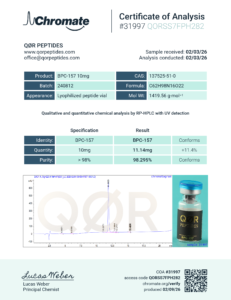
BPC 157: Un pentadecapéptido sintético utilizado en modelos de laboratorio para investigar la angiogénesis, la migración de fibroblastos y la integridad de la barrera mucosa.
El BPC 157 es un pentadecapéptido sintético que consta de 15 aminoácidos. Se basa en una secuencia parcial del compuesto de protección corporal (BPC) aislado originalmente del jugo gástrico humano.
Este material se suministra exclusivamente como reactivo de investigación de laboratorio.
Información molecular
El BPC 157 es un péptido de quince aminoácidos perteneciente a la clase de los pentadecapéptidos sintéticos. Normalmente se suministra como un polvo liofilizado destinado a la reconstitución por parte de personal cualificado mediante técnicas de laboratorio adecuadas.
Uso previsto
Este producto está destinado exclusivamente a aplicaciones de investigación de laboratorio, tales como experimentos in vitro, desarrollo de ensayos y otras investigaciones científicas controladas. No está destinado al uso humano ni veterinario. No está destinado al diagnóstico, tratamiento, cura, prevención o mitigación de ninguna enfermedad o afección médica. No es un fármaco, alimento, suplemento dietético, cosmético ni producto sanitario.
Antecedentes científicos
El BPC 157 ha sido objeto de múltiples estudios preclínicos e in vitro que examinan su función dentro de modelos experimentales de biología tisular.
En estos modelos, los investigadores han comunicado observaciones relacionadas con procesos como la producción de colágeno, la angiogénesis y las respuestas celulares que implican a fibroblastos y macrófagos en el contexto de la integridad y reparación de los tejidos. Otros trabajos preclínicos han explorado el BPC 157 en entornos de investigación gastrointestinal y musculoesquelética utilizando modelos animales y sistemas celulares. Estas investigaciones se centran en las vías mecánicas y los marcadores biológicos, y se limitan a entornos de investigación controlados. La información de esta sección es un resumen de la literatura científica publicada y se facilita para ayudar a investigadores cualificados a diseñar e interpretar estudios de laboratorio.
Estos hallazgos no establecen la seguridad ni la eficacia en humanos y no deben interpretarse como afirmaciones sobre el producto.
Overview
BPC 157 is a synthetic penta decapeptide of fifteen amino acids. It is modeled on a partial sequence of the naturally occurring body protection compound found in gastric juice. Our internal and external review of the preclinical literature focuses on five main areas gastrointestinal mucosal integrity vascular growth and collateralization tendon and connective tissue biology oxidative stress pathways and interactions with drug induced toxicity models. All findings described in this section come from in vitro systems and animal models. They do not establish safety or efficacy in humans and must not be interpreted as product claims.
1. Gastrointestinal mucosal integrity and fibroblast activity
In the gastrointestinal tract the endogenous body protection compound has been described as contributing to maintenance of the mucosal barrier that separates underlying tissues from gastric acid bile and other luminal contents. Preclinical work suggests that BPC 157 may influence this system in part through recruitment and modulation of fibroblasts. In cell culture and animal models BPC 157 has shown a dose dependent effect on fibroblast proliferation and migration. Fibroblasts are central to wound biology because they produce extracellular matrix components such as collagen fibrin and elastin and help shape the structural scaffold of healing tissue. These observations position BPC 157 as a useful research tool for scientists studying fibroblast behavior and mucosal barrier dynamics in controlled settings.
2. Vascular growth and collateralization
Several preclinical studies describe BPC 157 as a potent angiogenic factor in experimental systems. In vitro work shows that the peptide can increase proliferation and organization of endothelial cells which form the inner lining of blood vessels. In rat models of ischemia BPC 157 administration has been associated with an increased rate of collateral vessel formation and re routing of blood flow around obstructed segments.
Although many of these data come from studies in the gastrointestinal tract similar patterns have been explored in cardiovascular neurological and skeletal muscle models.
Chicken embryo experiments suggest that BPC 157 may interact with pathways involving VEGFR2 a receptor that participates in nitric oxide signaling and is considered important for endothelial cell growth survival and angiogenic responses. Researchers sometimes refer to a phenomenon called vascular running in this context. Vascular running describes the directed growth of vessels toward or around an area of injury or occlusion to restore downstream perfusion. BPC 157 has been used as a probe to study this process and to test hypotheses about how collateral circulation can be enhanced after ischemic injury in preclinical models.
3. Tendon connective tissue and cell migration pathways
Because of its observed effects on fibroblast behavior and microvascular changes BPC 157 has been investigated in animal models of tendon ligament bone and other connective tissue injury. Tendons and ligaments are known to heal slowly partly due to limited baseline blood supply which constrains the delivery of reparative cells. In vitro and in vivo rat tendon studies report that BPC 157 can increase fibroblast density and collateral vessel development at injury sites relative to certain growth factors such as bFGF EGF and VEGF in those specific setups. These findings are model dependent but they have made BPC 157 a frequent choice in laboratories examining tendon biology matrix remodeling and mechanobiology.
Additional mechanistic work using FITC phalloidin staining has shown that BPC 157 can stimulate formation of F actin structures in fibroblasts.
F actin is a core component of the cytoskeleton with a critical role in cell shape adhesion and movement. Western blot analyses in these studies indicate that BPC 157 exposure can increase phosphorylation of paxillin and focal adhesion kinase proteins which are key regulators in cell migration pathways. Together these data support the use of BPC 157 as a tool compound to dissect signaling steps involved in fibroblast motility and connective tissue repair.
4. Oxidative stress and antioxidant related markers
Several rat studies have evaluated BPC 157 in models of oxidative stress.
In these experiments BPC 157 has been associated with modulation of markers such as nitric oxide and malondialdehyde which are commonly used as indicators of reactive species and lipid peroxidation. Other work in gastrointestinal models suggests that BPC 157 may reduce the generation of reactive oxygen species in specific assay conditions.
There is also exploratory research on using modified Lactococcus lactis bacteria as a delivery vehicle for BPC 157 to gastrointestinal tissues where cell culture experiments have shown increased local peptide levels. These lines of investigation position BPC 157 as a candidate probe for studying redox balance and oxidative injury cascades in gut related research models.
5. Interaction with drug induced side effect models
A recurring theme in the preclinical literature is the use of BPC 157 in models that simulate adverse effects of established drugs. Researchers have examined whether co administration of BPC 157 can modify injury patterns created by nonsteroidal anti inflammatory drugs psychiatric medications and cardiovascular agents in animals. In gastrointestinal models BPC 157 has been evaluated for its ability to influence lesions induced by agents such as celecoxib and related compounds with attention to mucosal integrity and bleeding endpoints. Separate rat studies have explored its effects on cardiac electrical parameters including QTc prolongation a marker linked to arrhythmia risk that can be triggered by certain antidiabetic and antipsychotic drugs. Additional models have assessed behavioral and neurological changes like catalepsy and somatosensory disturbances that arise from some psychiatric medications.
In these controlled animal experiments BPC 157 has been used to study whether modulation of these adverse effect profiles is possible without altering primary drug actions.
This line of research is preliminary and remains entirely preclinical but it highlights BPC 157 as a tool for investigating strategies to separate desired and undesired pharmacologic effects.
6. Honey bee models and colony health
An unconventional but notable area of research involves BPC 157 in the context of honey bee colony health. Colony collapse disorder is a multifactorial syndrome in which hives undergo rapid decline and loss often associated in part with infection of the bee gut by the microsporidian Nosema ceranae. Field studies have tested BPC 157 supplementation in bee feed as an experimental approach to support gut integrity in infected colonies. These trials reported reductions in gastrointestinal damage associated with Nosema infection and described improved survival metrics at the hive level under the specific conditions tested. While this work is early it illustrates the breadth of preclinical models where BPC 157 is being used as a research probe including agricultural and environmental biology.
Important research disclaimer
All observations summarized in this section come from animal studies ex vivo preparations and cell culture experiments. They are presented purely to outline how BPC 157 has been used as a research tool in different scientific fields.
These findings do not demonstrate that BPC 157 is safe or effective for any use in humans or animals. They must not be interpreted as medical claims or guidance for clinical practice.
Our BPC 157 product is supplied strictly for laboratory research applications and is not intended for human consumption veterinary treatment diagnosis prevention or therapy of any condition.
Almacene los péptidos únicamente en entornos profesionales y controlados que operen bajo sus propios sistemas de seguridad y calidad. Todo el almacenamiento, manipulación y eliminación debe seguir las políticas escritas, evaluaciones de riesgos y procedimientos operativos estándar de su organización. Es responsabilidad de la instalación y su personal garantizar que estas políticas estén establecidas, comprendidas y aplicadas activamente. Mantenga los viales en un lugar fresco y seco, alejados de la luz directa, el calor y la humedad. Los viales deben permanecer en posición vertical, sellados y protegidos de impactos físicos para que el contenido y las etiquetas permanezcan intactos y legibles. Si sus procedimientos incluyen congelación, utilice volúmenes de trabajo apropiados y evite ciclos repetidos de congelación y descongelación del mismo vial. No almacene péptidos cerca de alimentos, bebidas o consumibles generales. Manténgalos únicamente en áreas de almacenamiento designadas con acceso controlado que reflejen su gobernanza interna y obligaciones regulatorias. La manipulación y preparación deben ser realizadas exclusivamente por personal capacitado y autorizado según las directrices institucionales.
Uso previsto
Este producto está destinado exclusivamente a experimentos in vitro, preparaciones ex vivo y otras aplicaciones de investigación de laboratorio controladas, incluidos estudios en animales realizados bajo la supervisión apropiada. Los usos típicos incluyen ensayos de cultivo celular, experimentos bioquímicos sobre unión y transporte de cobre, e investigaciones sobre remodelación de la matriz extracelular y biología tisular.
No está destinado al uso humano ni veterinario. No está destinado al diagnóstico, tratamiento, curación, prevención o mitigación de ninguna enfermedad o afección cosmética.
No es un medicamento, alimento, complemento alimenticio, ingrediente cosmético ni dispositivo médico.
$150.00-$350.00Rango de precios: desde $150.00 hasta $350.00
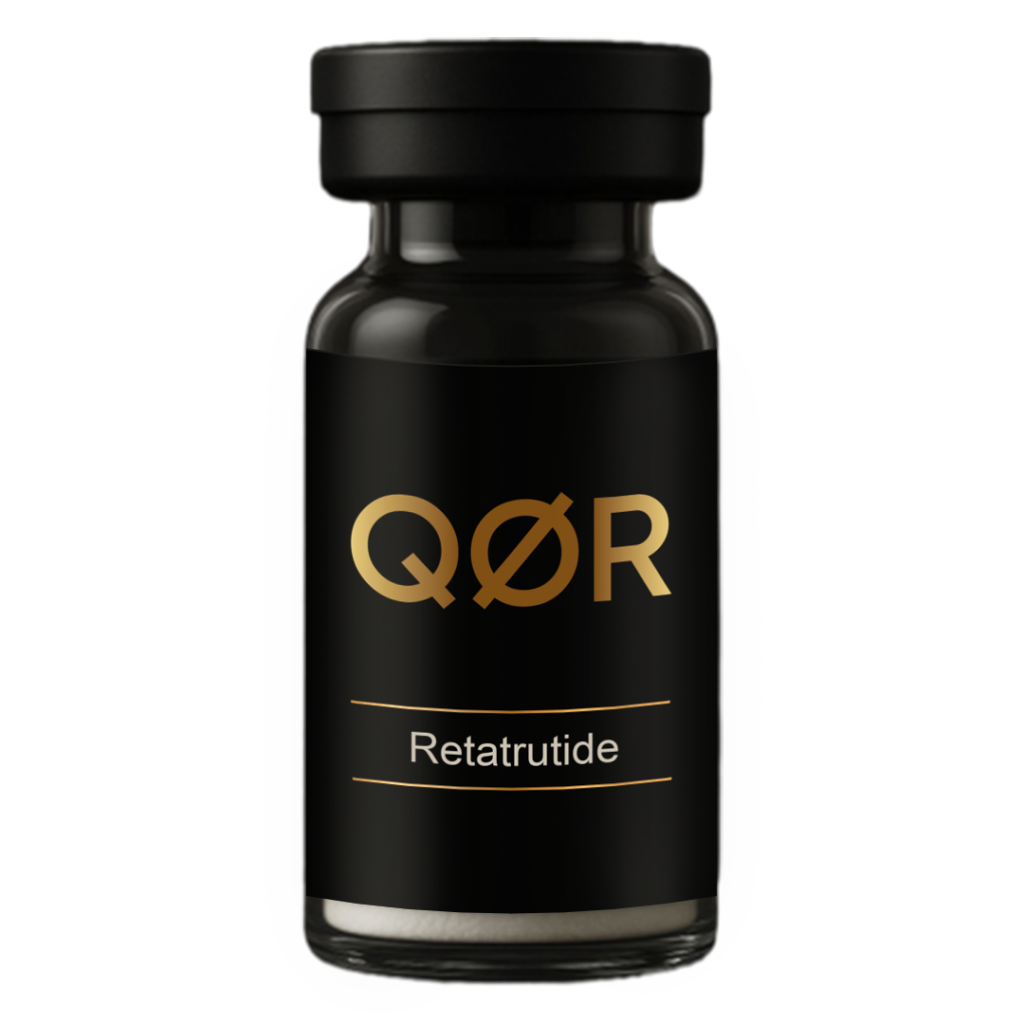
Retatrutide: Un agonista de triple receptor (GLP-1, GIP y glucagón) destinado a la investigación de la señalización metabólica, la regulación de la glucosa y el equilibrio energético.
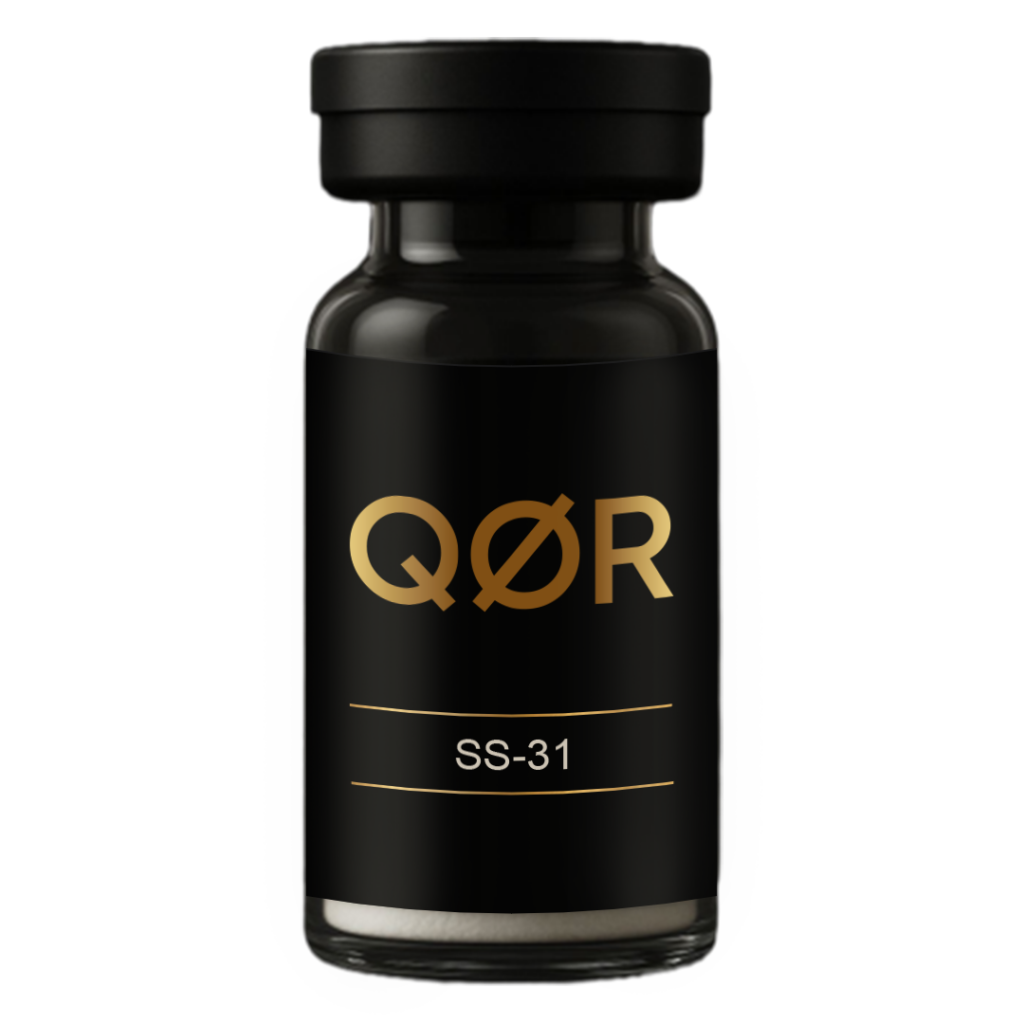
SS-31 10 mg: Un tetrapéptido dirigido a las mitocondrias utilizado para analizar la bioenergética dependiente de cardiolipina, la eficiencia del transporte de electrones y la arquitectura de la membrana mitocondrial.
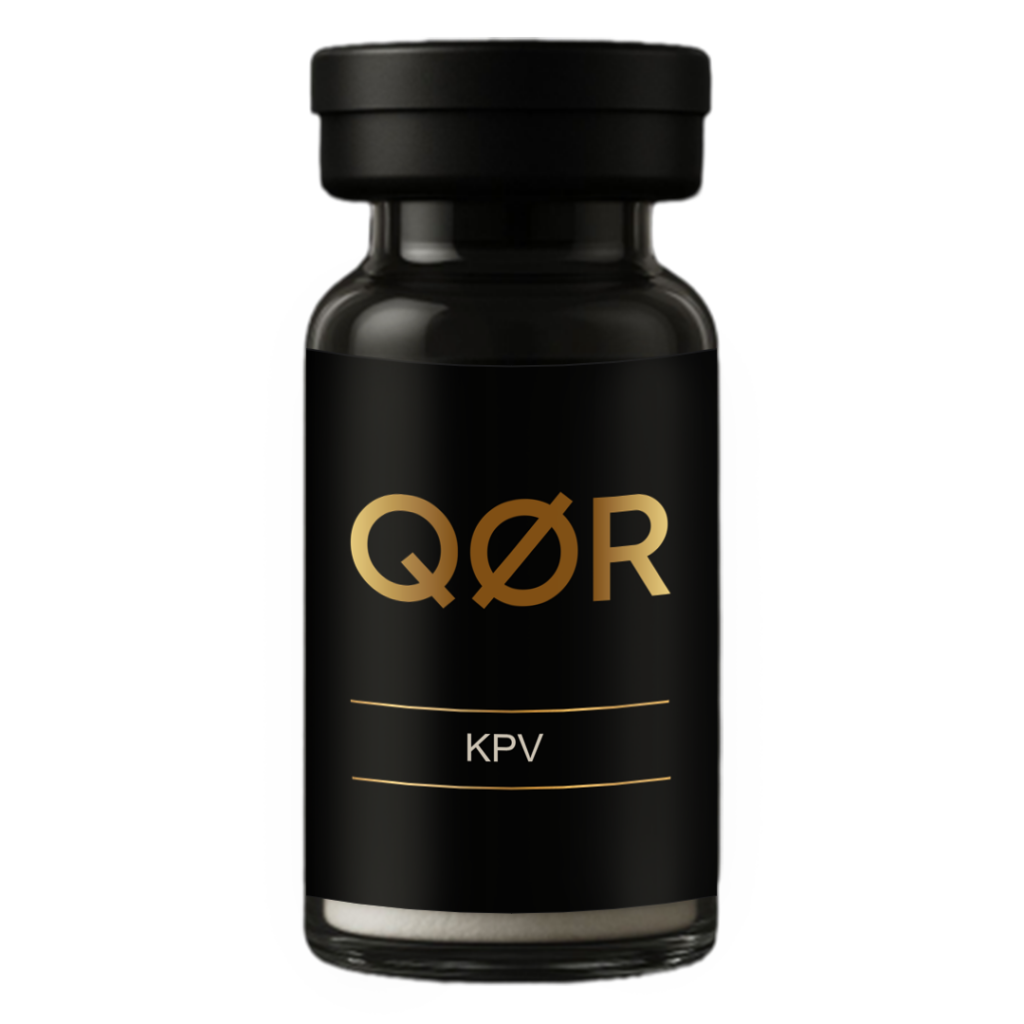
KPV 10 mg: Un fragmento de alfa-MSH acetilado utilizado como herramienta de investigación para indagar en las vías de señalización inflamatoria y los mecanismos de transporte epitelial.
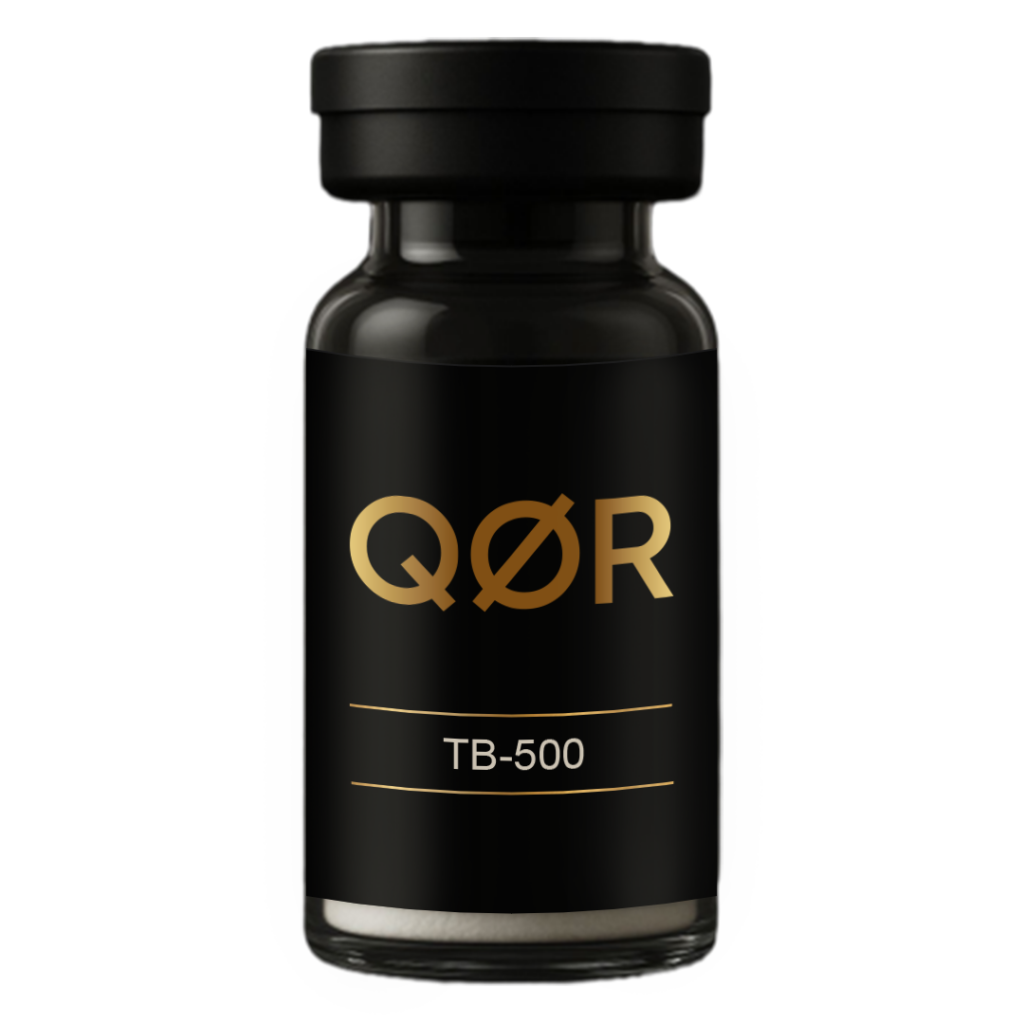
TB 500: Una forma sintética de Timosina Beta-4 utilizada como herramienta para estudiar la secuestración de G-actina, la dinámica del citoesqueleto y la remodelación vascular en modelos de tejido.
Vistos recientemente
Lo que nuestros clientes dicen de nosotros
Centro de Investigación Académica
La documentación estaba completa, el embalaje era adecuado para nuestras instalaciones y la entrega se ajustó a nuestros plazos internos.
Organización privada de investigación
Registros de lote coherentes y una comunicación técnica clara respaldan nuestros requisitos internos de calidad.
Centro de investigación académica
Desde el pedido hasta la entrega, la comunicación y la documentación han cumplido nuestras expectativas institucionales para la adquisición de materiales de investigación.
Laboratorio de investigación privado
QØR nos ha suministrado materiales de referencia consistentes y documentación de lote clara en múltiples pedidos, lo que respalda nuestro trabajo interno de validación de ensayos