
On this page you will find a research focused overview of peptides, written for beginner health focused researchers, laboratories, and professionals who work with these materials in vitro. It is an introduction for people who are new to the topic and want to understand the basics in a clear way
Vasopressin (antidiuretic hormone): This peptide hormone is secreted in the hypothalamus—a small area located in the center of your brain. Vasopressin has two main functions:
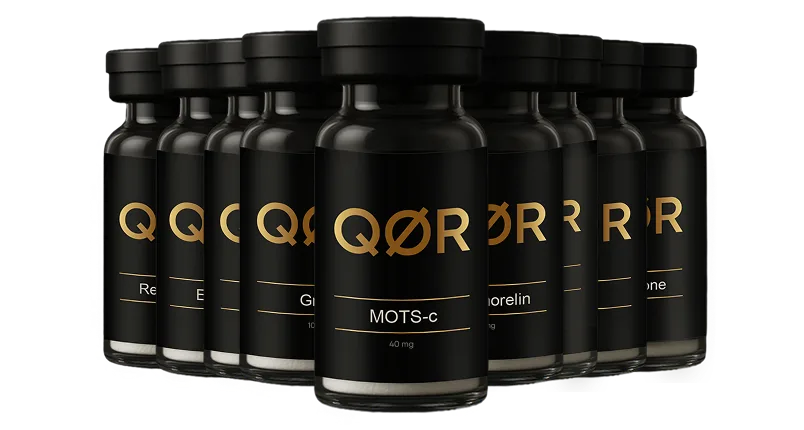
Peptides are short chains of amino acids. Amino acids are small molecules that can link together. When only a few are linked, you have a peptide. When many are linked, you have a protein.
In nature, peptides appear everywhere. Cells use them as messages, as building blocks, and as part of larger structures. Researchers work with peptides in the lab to understand how these natural processes work.
You can think of peptides as small pieces of a larger language that cells use to communicate and respond. In research, these pieces are examined in controlled systems, not in people
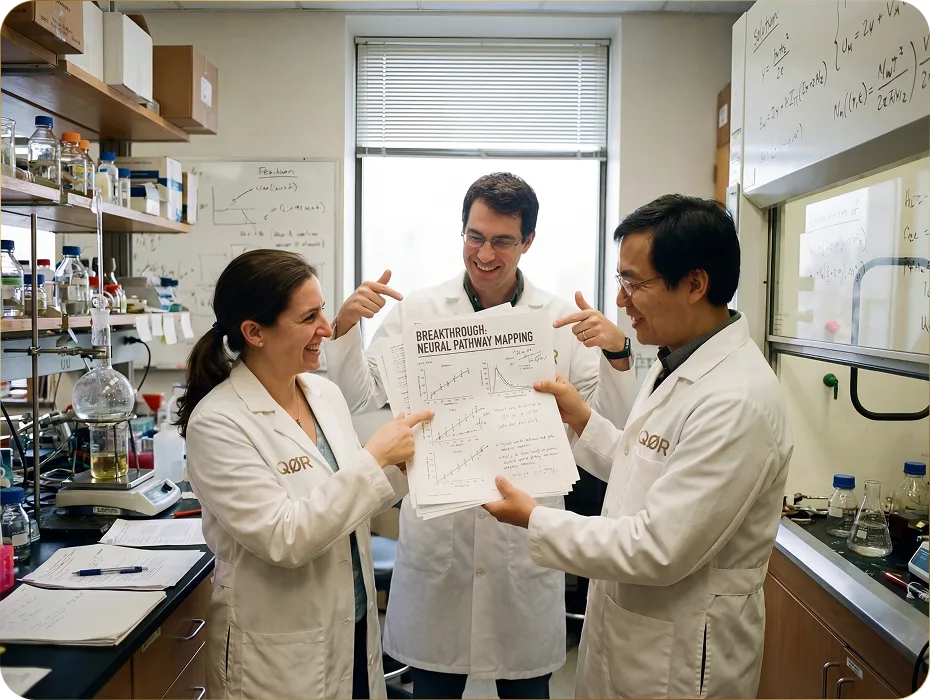
In laboratories, peptides are tools. They help scientists ask clear questions and collect measurable answers and develop biology research.
Studying how certain receptors respond when a specific peptide is present Testing signal pathways to see how cells react under different conditions.
Developing and calibrating analytical methods such as chromatography or mass spectrometry Using known peptides as reference points when comparing unknown samples
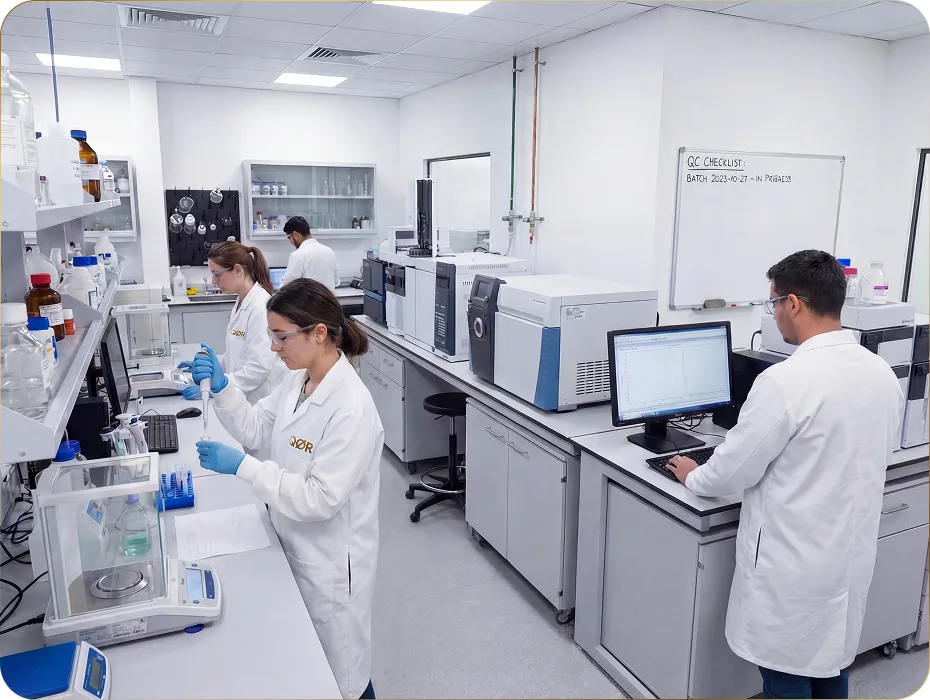
All of this work happens in controlled environments such as test tubes, plates, flasks, and specialized equipment. It is planned, documented, and overseen by institutions with formal safety and compliance systems.
QØR does not provide protocols or instructions for any experiment. Design and execution of experiments always remain the responsibility of the research team.
Even absolute beginners can understand why peptides matter in biology with a few examples. In living systems, peptides can
Some peptides carry signals from one cell or tissue to another. They can tell cells when to respond, slow down, or change behavior. Researchers can use related peptides in vitro to see how these signals work in a controlled setting.
Certain peptides form part of the structure of tissues. They help give strength, flexibility, or support inside the body. In research, these building block roles can be modeled and measured outside the body.


Tested for identity, purity, and concentration
Supplied exclusively for in vitro research and laboratory development

QØR supplies only to verified institutions, laboratories, and qualified professionals. We do not market or sell to individuals seeking personal use or self administration.
All products are intended for in vitro research applications and laboratory development work. They are not formulated, labeled, or marketed for diagnosis, treatment, mitigation, cure, or prevention of any disease and are not for human or veterinary use.
No. QØR does not provide any dosing guidance, reconstitution instructions, or protocols for human or veterinary administration. Design, execution, and safety management of any experiment are entirely the responsibility of the purchasing institution and its staff.
Orders that pass our internal review and payment verification are typically prepared and dispatched within standard handling times. Transit times depend on the destination and selected shipping service and are communicated during checkout or order confirmation.
Where available, materials are supplied with Certificates of Analysis, technical data sheets, and clear lot identifiers. These documents are structured to support your internal record keeping, validation work, and quality audits.