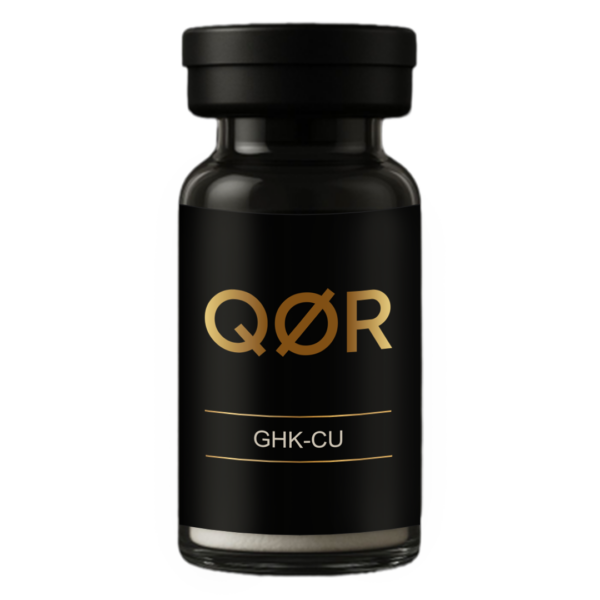
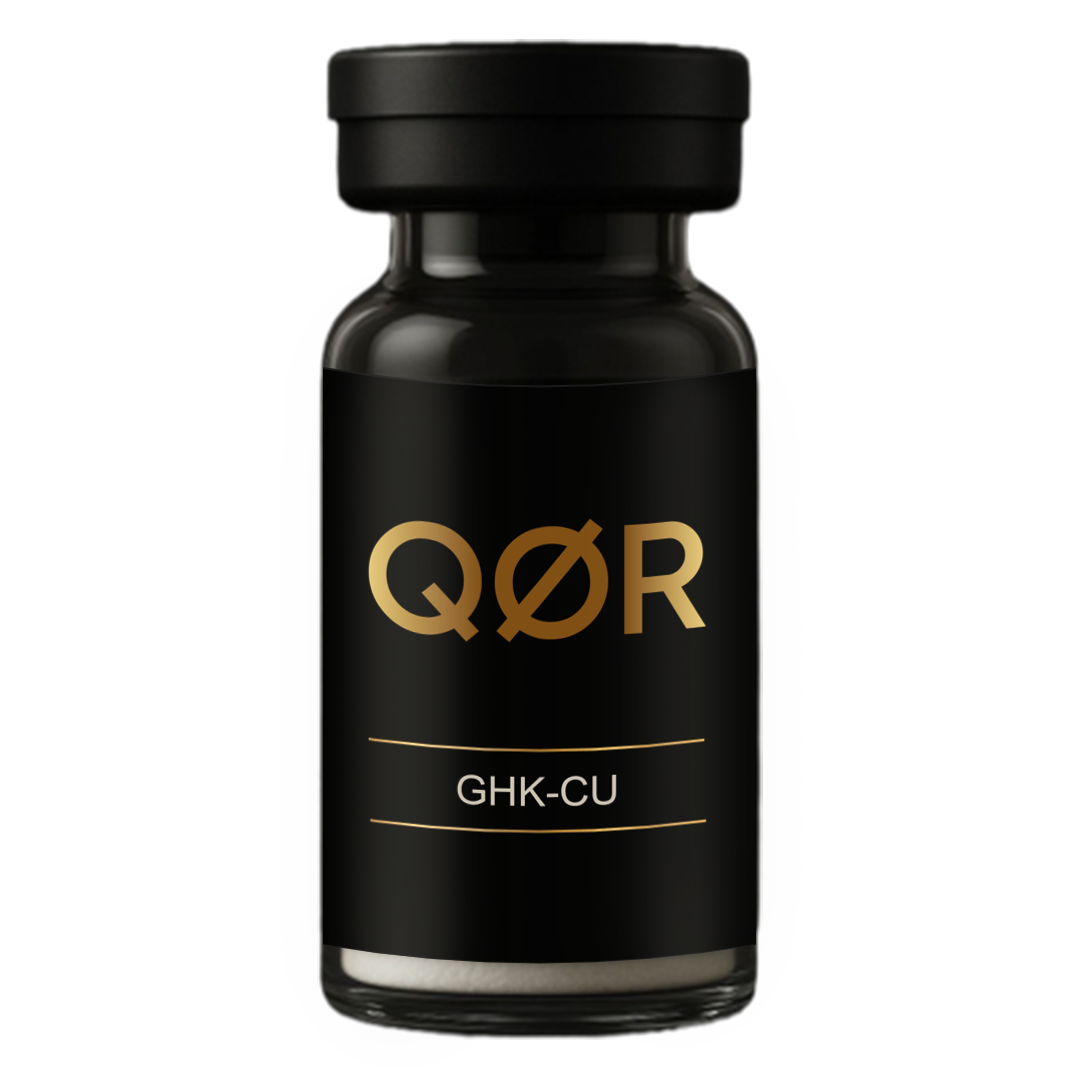
GHK-Cu 100mg: A tripeptide-copper complex utilized in cell culture research to study extracellular matrix remodeling, angiogenesis, and copper-dependent signaling.
GHK Cu is a tripeptide metal complex composed of glycyl L histidyl L lysine coordinated with divalent copper ions. It is a naturally occurring motif identified in biological fluids and extracellular matrix environments where it participates in copper binding and delivery. This product is supplied as a research grade material for laboratories studying peptide mediated metal handling cellular signaling and matrix related biology.
Molecular and biochemical information
The GHK sequence Gly His Lys exhibits high affinity for copper ions and forms a defined coordination complex with Cu two plus under physiological conditions. In experimental systems GHK Cu is used to investigate how low molecular weight peptide complexes contribute to copper homeostasis and to the regulation of cell behavior in vitro and in vivo animal models. Scientific work with GHK Cu has examined its interactions with fibroblasts endothelial cells immune cells and neuronal preparations. Researchers commonly measure changes in gene expression protein synthesis extracellular matrix components and signaling pathway activation after controlled exposure to this complex. These studies position GHK Cu as a tool compound for dissecting copper dependent cellular responses and peptide metal complex biology. Peptide sequence Gly His Lys coordinated with Cu two plus
Intended use
This product is intended exclusively for in vitro experiments ex vivo preparations and other controlled laboratory research applications including animal studies conducted under appropriate oversight. Typical uses include cell culture assays biochemical experiments on copper binding and transport and investigations of extracellular matrix remodeling and tissue biology.
It is not intended for human or veterinary use. It is not intended for diagnosis treatment cure prevention or mitigation of any disease or cosmetic condition. It is not a drug food dietary supplement cosmetic ingredient or medical device.
Key features
Defined GHK Cu tripeptide copper complex suitable for studies of peptide mediated metal binding and delivery Applicable in research on fibroblast and endothelial responses extracellular matrix regulation and copper dependent signaling pathways Manufactured under controlled conditions with analytical verification of identity stoichiometry and purity
Overview
GHK Cu is a tripeptide copper complex composed of glycyl histidyl lysine coordinated with divalent copper. It is widely used as a tool compound in cell and tissue models that examine copper handling extracellular matrix biology and regenerative signaling. The information below summarises how GHK Cu appears in the preclinical literature.
All observations are model specific and do not represent claims of cosmetic clinical or therapeutic effect.
1. Fibroblast activity and extracellular matrix research
A major use of GHK Cu is in dermal and connective tissue models that focus on fibroblast behavior. In these systems GHK Cu is used to study fibroblast migration proliferation and production of extracellular matrix components under controlled conditions. Typical endpoints include synthesis of collagen and other matrix proteins expression of matrix remodeling enzymes and modulation of adhesion molecules. Researchers use these readouts to map how peptide bound copper influences matrix turnover and tissue remodeling pathways in vitro and in animal models.
2. Endothelial signaling and angiogenic pathways
Endothelial cell assays represent a second core application. GHK Cu is applied to endothelial monolayers and three dimensional culture systems to probe changes in cell migration tube formation barrier properties and angiogenesis related signaling. These experiments often measure transcriptional and protein level responses in growth factors adhesion molecules and matrix interacting proteins. In this context GHK Cu serves as a tool to explore how low molecular weight copper complexes shape vascular and microvascular biology under defined experimental conditions.
3. Immune cell recruitment and inflammatory interfaces
GHK Cu has also been evaluated in models that involve immune cells and inflammatory signaling. Co culture systems and conditioned media experiments examine how fibroblasts or endothelial cells exposed to GHK Cu influence recruitment and activation of immune cells. Endpoints may include cytokine and chemokine profiles immune cell adhesion and migration and changes in markers of resolution or persistence of inflammation. These studies are designed to clarify how peptide mediated copper delivery intersects with immune related pathways in tissue environments.
4. Neuronal and regeneration focused models
Neuronal tissue and nerve related models use GHK Cu to investigate regeneration associated signaling. In these settings researchers monitor neurite outgrowth survival of neuronal cultures and expression of regeneration linked transcriptional programs in response to controlled GHK Cu exposure. This work remains preclinical and aims to define copper dependent cues that may influence neuronal plasticity and repair mechanisms.
5. Oxidative stress modulation and antimicrobial interfaces
Additional research explores GHK Cu in oxidative stress and host defense contexts. Studies examine how the complex interacts with reactive oxygen species handling systems and antioxidant enzymes and how it may modulate redox sensitive gene expression in cells. GHK Cu has also been studied alongside antimicrobial peptides and innate immune effectors to evaluate potential cooperative or modulatory effects in barrier tissues. These investigations focus on molecular and cellular endpoints rather than clinical infection outcomes.
6. Stem cell markers and transcriptional responses
Several experimental designs use GHK Cu to profile changes in stem cell associated markers and broad transcriptional responses related to tissue regeneration.
High throughput gene expression analyses and pathway enrichment approaches are common in this work. Researchers look for shifts in expression of genes involved in cell cycle control matrix organization growth factor signaling and developmental programs after GHK Cu treatment of relevant cell types. This positions GHK Cu as a probe for dissecting copper responsive transcriptional networks in regenerative contexts.
Typical research applications
Across laboratories GHK Cu is commonly used in dermal fibroblast and extracellular matrix studies endothelial and angiogenesis assays immune cell recruitment and inflammation related models neuronal regeneration and plasticity studies oxidative stress and antimicrobial interface research transcriptional profiling of tissue regeneration pathways. In every case GHK Cu functions as a defined tripeptide copper complex for mechanistic research rather than as a finished product for cosmetic or medical use.
Important research disclaimer
All findings described here arise from in vitro experiments ex vivo systems and animal studies conducted under controlled protocols. They are presented solely to inform qualified researchers about how GHK Cu is used as a laboratory tool. These observations do not demonstrate or imply that GHK Cu is safe or effective for any cosmetic dermatologic or medical indication. They are not dosing instructions product claims or guidance for clinical or aesthetic use. The GHK Cu product offered is intended strictly for laboratory research applications. It is not for human or veterinary use and must not be used for diagnosis treatment cure prevention or mitigation of any disease or cosmetic condition.
“
Storage Instructions
Store peptides only in professional, controlled environments that operate under their own safety and quality systems. All storage, handling, and disposal must follow your organization’s written policies, risk assessments, and standard operating procedures. It is the responsibility of the facility and its staff to ensure that these policies are in place, understood, and actively followed. Keep vials in a cool, dry location away from direct light, heat, and moisture. Vials should remain upright, sealed, and protected from physical impact so contents and labels stay intact and legible. If your procedures include freezing, use appropriate working volumes and avoid repeated freeze and thaw cycles of the same vial. Do not store peptides near food, drink, or general consumables. Keep them only in designated storage areas with controlled access that reflect your internal governance and regulatory obligations. Handling and preparation must be carried out solely by personnel who are trained and authorized under your institutional guidelines.
Intended use
This product is intended exclusively for in vitro experiments ex vivo preparations and other controlled laboratory research applications including animal studies conducted under appropriate oversight. Typical uses include cell culture assays biochemical experiments on copper binding and transport and investigations of extracellular matrix remodeling and tissue biology. It is not intended for human or veterinary use. It is not intended for diagnosis treatment cure prevention or mitigation of any disease or cosmetic condition. It is not a drug food dietary supplement cosmetic ingredient or medical device.
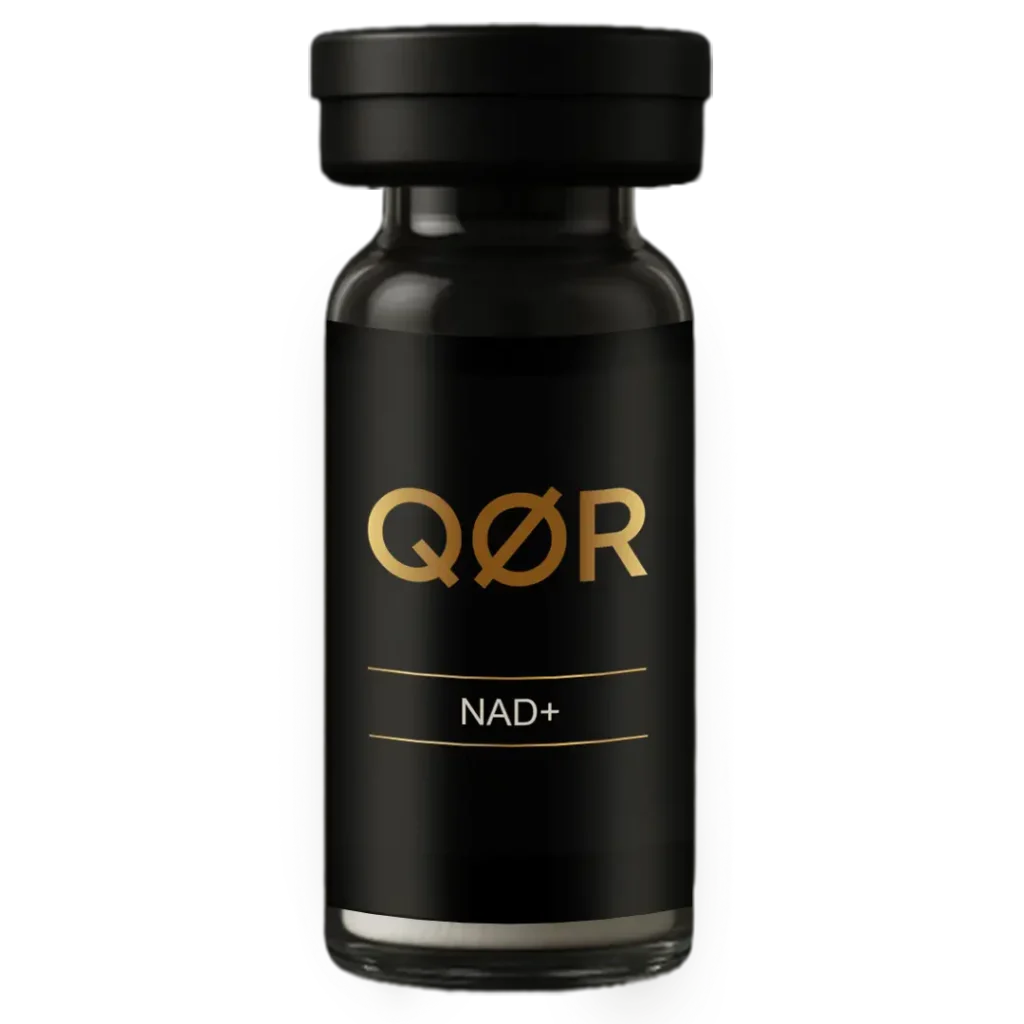
NAD: A central metabolic coenzyme used in laboratory assays to study mitochondrial bioenergetics, sirtuin activity, and NAD-dependent signaling pathways.
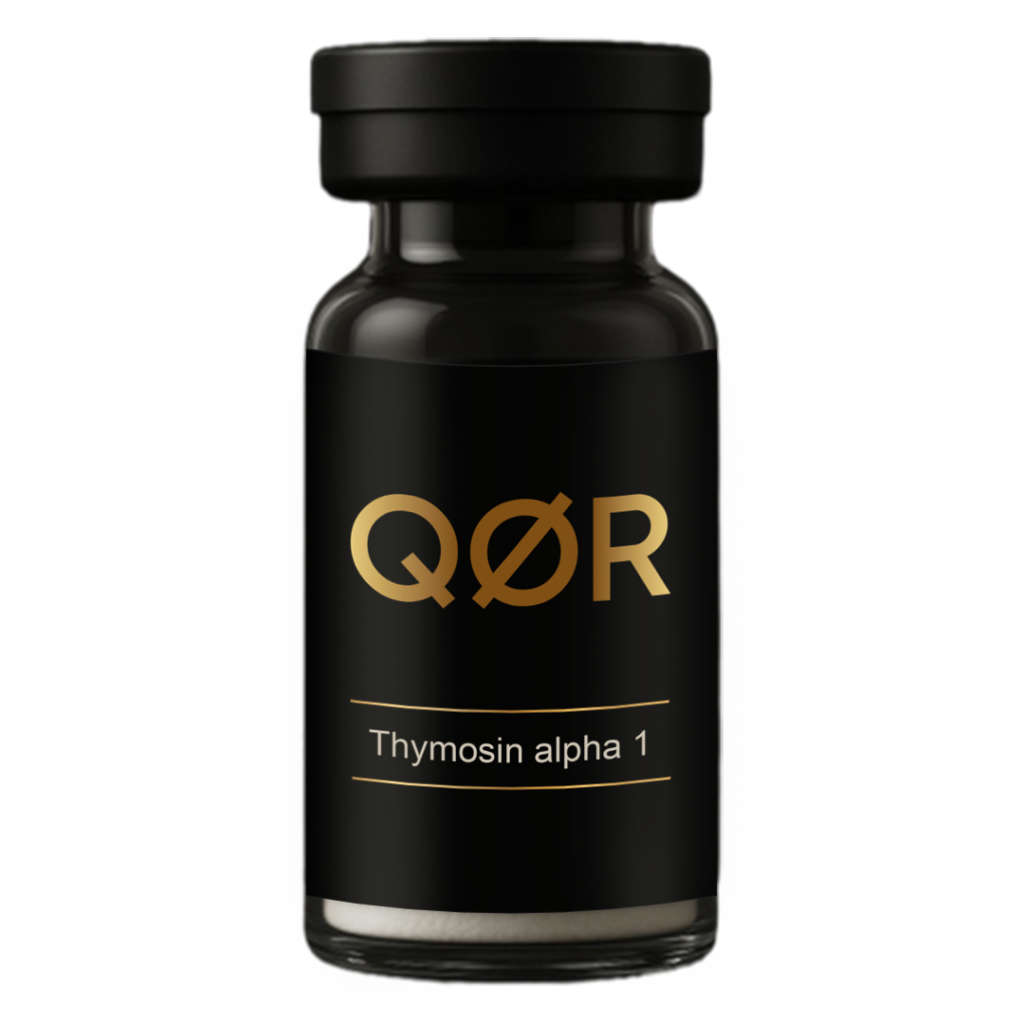
Thymosin Alpha: A thymus-derived immunomodulatory peptide used in research settings to explore T-cell maturation, cytokine networks, and host response mechanisms.
Recently viewed
What our customers say about us
Academic Research Center
Documentation was complete, packaging was appropriate for our facility, and delivery aligned with our internal timelines.
Private Research Organization
Consistent batch records and clear technical communication support our internal quality requirements.
Academic research center
From ordering through delivery, communication and documentation have met our institutional expectations for research materials procurement.
Private research laboratory
QØR has supplied us with consistent reference materials and clear batch documentation across multiple orders, supporting our in-house assay validation work